
Owning a horse is both a privilege and a responsibility. Whether you’re new to equine care or have years of experience, there’s always room to improve your skills and deepen your bond with your horse. Developing as a horse owner means staying informed, practicing good habits, and being proactive about your horse’s health and happiness. This guide offers practical advice and proven strategies to help you grow in your role and provide the best possible care for your equine companion.
Early in your journey, it’s essential to understand the basics of horse management, but as you progress, you’ll discover that ongoing learning and attention to detail make a significant difference. From daily routines to safety precautions, every aspect of horse care contributes to your growth and your horse’s well-being. For those looking to create a safer environment, you may find these horse pasture safety tips helpful as part of your overall care routine.
Building Strong Foundations in Equine Care
At the heart of how to become a better horse owner is a commitment to mastering the essentials. This includes understanding your horse’s nutritional needs, grooming routines, and exercise requirements. Consistency in these areas builds trust and keeps your horse healthy.
- Nutrition: Provide a balanced diet tailored to your horse’s age, workload, and health status. Regularly review your horse feeding schedule to ensure optimum health.
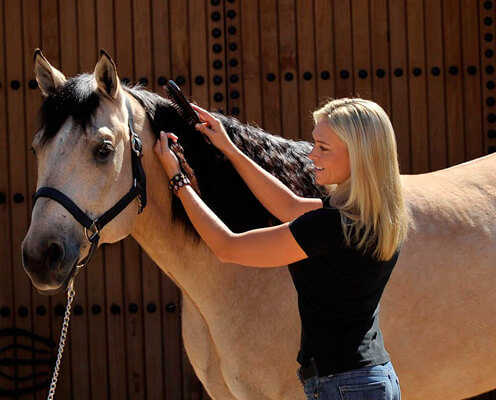
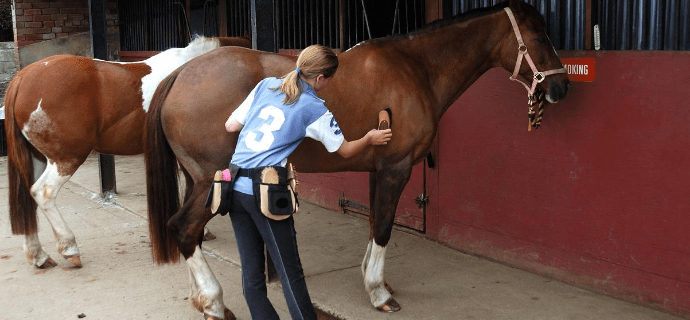
- Grooming: Daily grooming not only keeps your horse clean but also allows you to check for injuries, skin conditions, or parasites. It’s a valuable bonding time.
- Exercise: Horses need regular movement to stay fit and mentally stimulated. Develop a routine that includes turnout, riding, or groundwork.
By focusing on these core areas, you lay the groundwork for a positive and productive relationship with your horse.
Enhancing Communication and Understanding
Effective communication is a cornerstone of responsible horse ownership. Horses are sensitive animals that respond to body language, tone, and consistency. Improving your ability to read and respond to your horse’s signals will help prevent misunderstandings and build mutual respect.
- Observe your horse’s behavior daily. Notice changes in appetite, energy, or demeanor, as these can indicate health issues or discomfort.
- Use clear, consistent cues when handling or riding. Mixed signals can confuse your horse and undermine training efforts.
- Practice patience. Horses learn best through repetition and positive reinforcement, not force.
Investing time in understanding your horse’s unique personality and preferences will make you a more empathetic and effective caretaker.
Prioritizing Horse Health and Preventive Care
Staying proactive about your horse’s health is a key aspect of responsible ownership. Routine veterinary checkups, dental care, and vaccinations are essential. Regular hoof care from a qualified farrier prevents lameness and other foot problems.
- Schedule annual or biannual veterinary visits for wellness exams and vaccinations.
- Keep up with deworming and dental checks to prevent common health issues.
- Monitor your horse’s weight and adjust feed or exercise as needed.
- Establish a relationship with a trusted farrier for regular hoof trims or shoeing.
For additional guidance, consult comprehensive horse care guidelines from reputable organizations. Staying informed about best practices ensures your horse remains healthy and comfortable.
Improving Your Stable and Pasture Management
Creating a safe and comfortable environment is crucial for your horse’s well-being. Regularly inspect your barn, fencing, and pastures for hazards. Clean stalls and paddocks frequently to reduce the risk of disease and injury.
- Check for sharp objects, broken boards, or toxic plants in turnout areas.
- Provide clean, fresh water at all times.
- Rotate pastures to prevent overgrazing and allow grass to recover.
- Maintain good ventilation in stables to reduce respiratory issues.
Attention to detail in your horse’s living space demonstrates your commitment to their safety and comfort.
Continuing Education and Community Involvement
Growth as a horse owner doesn’t stop at mastering daily routines. Stay engaged with the equestrian community and seek out opportunities to learn from others. Attend clinics, read reputable publications, and connect with experienced horse people in your area.
- Participate in local horse clubs or online forums to exchange ideas and experiences.
- Take lessons or attend workshops to improve your riding and handling skills.
- Volunteer at equine rescues or events to broaden your perspective and give back to the community.
Learning from others helps you stay current with industry standards and discover new approaches to horse care.
Developing a Growth Mindset for Horse Ownership
Becoming a more skilled and compassionate horse owner is an ongoing journey. Embrace challenges as learning opportunities and remain open to feedback. Reflect on your experiences and set realistic goals for improvement.
- Keep a journal to track your horse’s progress and your own learning milestones.
- Seek constructive criticism from trainers, veterinarians, or peers.
- Celebrate small victories and acknowledge areas where you can do better.
With a growth mindset, you’ll continue to evolve and provide the best possible care for your horse.
Frequently Asked Questions
What are the most important daily tasks for horse owners?
Daily responsibilities include feeding, providing fresh water, grooming, checking for injuries or signs of illness, and ensuring your horse has adequate turnout or exercise. Consistent routines help maintain your horse’s health and well-being.
How can I improve my horse’s diet?
Start by consulting with an equine nutritionist or veterinarian. Adjust your horse’s feed based on age, activity level, and health status. Regularly review your feeding plan and consider using a structured feeding schedule for optimal results.
What should I do if my horse shows signs of illness?
If you notice changes in behavior, appetite, or physical condition, contact your veterinarian promptly. Early intervention can prevent minor issues from becoming serious health problems. Keep records of symptoms and any changes in your horse’s routine to assist your vet in diagnosis.