
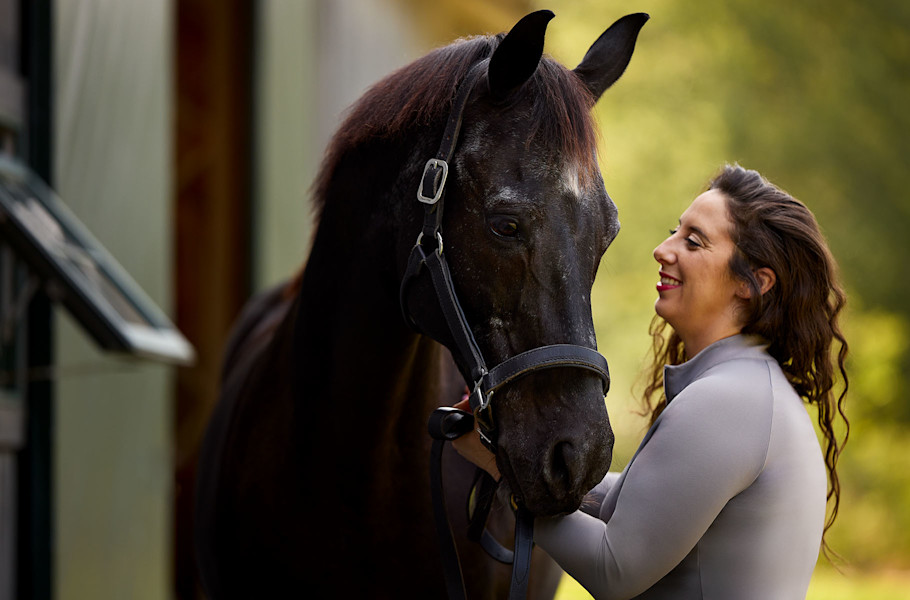
As temperatures drop and winter sets in, horse owners face new challenges in maintaining the health and comfort of their animals. Providing proper care during the colder months is essential to ensure your horse stays healthy, warm, and happy. This guide shares practical winter horse care tips to help you protect your equine companion from the harsh effects of cold weather, mud, and fluctuating conditions.
From managing shelter and nutrition to grooming routines and monitoring health, every aspect of your horse’s routine may need adjustments. Early preparation and consistent attention can make all the difference in keeping your horse comfortable and thriving through the winter season. For those also concerned about field safety, you may find additional value in these horse pasture safety tips to hazard-proof your fields year-round.
Essential Shelter Strategies for Cold Weather
One of the most important aspects of winter horse care is providing adequate shelter. Horses are naturally resilient, but wind, rain, and snow can quickly sap their body heat. A well-designed shelter or stable offers protection from the elements and helps your horse conserve energy.
- Windbreaks: Even a simple three-sided run-in shed can make a significant difference by blocking wind and precipitation.
- Bedding: Use deep, clean bedding such as straw or shavings to insulate against the cold ground. Regularly check for dampness and replace as needed.
- Ventilation: Ensure good airflow to prevent respiratory issues, but avoid drafts that can chill your horse.
Remember, horses with access to shelter can better regulate their temperature and stay dry during winter storms.
Nutrition Adjustments for Winter Months
As the temperature drops, your horse’s caloric needs increase. Digesting forage creates internal heat, so providing plenty of hay is one of the most effective winter horse care tips for maintaining warmth.
- Increase Forage: Offer free-choice hay, especially when pasture is limited or snow-covered.
- Monitor Body Condition: Regularly assess your horse’s weight and adjust feed accordingly. Senior or hard-keeping horses may need additional calories.
- Water Access: Horses are less likely to drink icy water, increasing the risk of dehydration and colic. Use heated buckets or water heaters to keep water above freezing.
For more on feeding routines and timing, consult this guide on horse feeding schedules for optimum health.
Blanketing: When and How to Use Horse Rugs
Deciding whether to blanket your horse is a common concern in cold climates. Not every horse requires a blanket, but certain situations call for extra protection:
- Clipped Horses: Animals that have been body clipped for winter work need blankets to compensate for lost insulation.
- Older or Thin Horses: Seniors and those with difficulty maintaining weight benefit from added warmth.
- Wet and Windy Conditions: Blanketing helps keep horses dry and shields them from chilling winds.
Always use clean, well-fitting blankets and check daily for shifting, rubbing, or dampness underneath. Remove blankets regularly to inspect your horse’s skin and coat.
Grooming and Hoof Care in the Cold
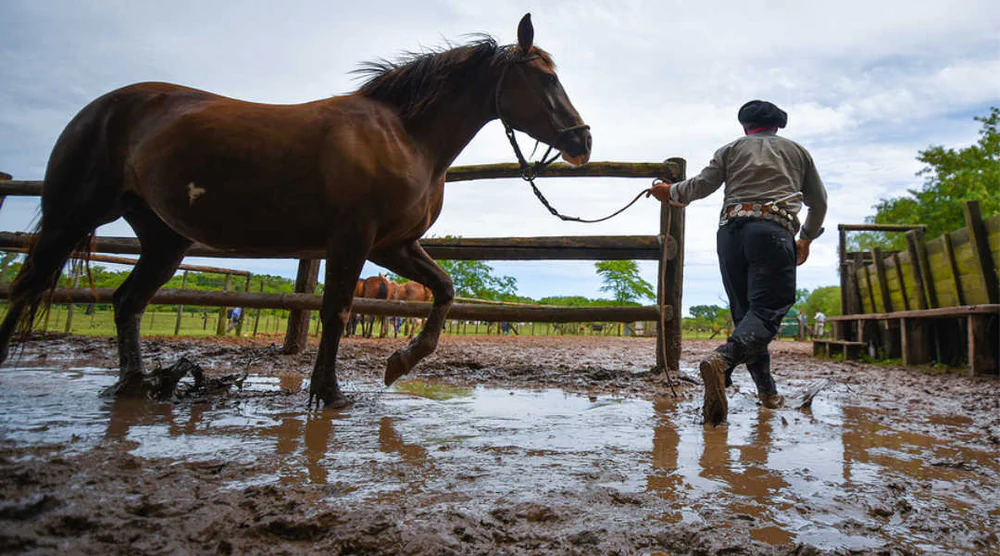
Regular grooming is just as important in winter as in warmer months. A clean, well-groomed coat insulates better and helps you spot early signs of health issues. Mud and wet conditions can lead to skin problems like rain rot or scratches, so pay special attention to legs and underbellies.
- Daily Brushing: Removes mud, debris, and loose hair, allowing natural oils to protect the coat.
- Hoof Checks: Pick out hooves daily to prevent packed snow, ice balls, and thrush. Consider using hoof boots if your horse is prone to bruising.
- Skin Health: Address any cuts, swelling, or irritation promptly to avoid complications.
For more on monitoring your horse’s well-being, see this resource on horse behavior monitoring to spot changes and red flags early.
Monitoring Health and Vital Signs During Winter
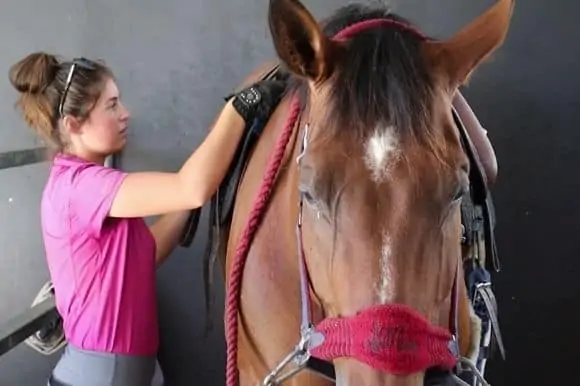
Cold weather can mask subtle health changes, so it’s essential to observe your horse closely. Check for signs of discomfort, weight loss, or changes in behavior. Monitoring vital signs such as temperature, pulse, and respiration helps catch problems early. For a detailed overview, refer to this article on horse vital signs monitoring to know your equine’s norms.
- Watch for Shivering: Persistent shivering indicates your horse is too cold and needs more protection or feed.
- Check Hydration: Pinch the skin on the neck; slow return suggests dehydration.
- Assess Appetite: Reduced eating may signal dental issues or illness.
Consult your veterinarian if you notice any concerning changes. For comprehensive guidelines, review the horse care recommendations from Humane World for best practices.
Maintaining Safe and Comfortable Turnout
Even in winter, regular turnout is important for your horse’s mental and physical health. However, icy, muddy, or snowy conditions can increase the risk of slips and injuries. Here are some tips for safer turnout:
- Inspect Fencing: Ensure all fencing is secure and visible above snow drifts.
- Remove Hazards: Clear ice patches and debris from high-traffic areas.
- Footing: Use sand or gravel in gateways and around water troughs to reduce mud and ice buildup.
Monitor your horse’s movement and social interactions, as boredom and limited exercise can lead to behavioral issues. Rotating turnout areas can also help preserve pasture and minimize mud.
Frequently Asked Questions
How do I know if my horse needs a blanket in winter?
Blanketing depends on your horse’s age, body condition, coat, and weather exposure. Horses with thick winter coats, good body condition, and access to shelter often do not need blankets. However, clipped, elderly, or thin horses, as well as those exposed to wet and windy conditions, may benefit from a properly fitted rug.
What is the best way to prevent dehydration in cold weather?
Ensure your horse always has access to clean, unfrozen water. Using heated buckets or water heaters encourages drinking. Adding a small amount of salt to feed can also stimulate thirst, but consult your veterinarian for appropriate amounts.
How often should I groom my horse during winter?
Daily grooming is ideal, especially to remove mud and check for skin issues. Regular brushing helps maintain a healthy coat and allows you to spot injuries or signs of discomfort early.
Conclusion
Providing attentive care during the colder months is crucial for your horse’s well-being. By focusing on shelter, nutrition, grooming, and health monitoring, you can help your equine companion stay warm and healthy all winter long. Consistent routines and early intervention are key to preventing common cold-weather problems. For more seasonal advice, explore related topics like horse pasture safety tips and keep your horse’s environment safe year-round.