
Providing consistent, attentive horse care throughout the seasons is essential for keeping your equine companion healthy and comfortable all year long. Each season brings unique challenges, from fluctuating temperatures to changing nutritional needs and pasture conditions. By understanding how to adapt your approach as the weather shifts, you can help your horse thrive no matter what the calendar says.
This guide covers practical strategies for seasonal horse management, including grooming, feeding, shelter, and health monitoring. Whether you’re a new horse owner or an experienced handler, you’ll find actionable tips to support your horse’s well-being through every stage of the year.
Before diving into seasonal routines, it’s important to remember that safe, hazard-free turnout is a year-round priority. For tips on maintaining safe fields and paddocks, check out horse pasture safety tips for practical advice on hazard-proofing your environment.
Spring: Transitioning to New Growth and Warmer Weather
As winter fades and pastures begin to green up, horses experience a shift in their daily routines. Spring is a time of renewal but also presents risks such as sudden dietary changes and muddy conditions. Here’s how to manage your horse’s needs during this season:
- Pasture Management: Introduce horses to lush spring grass gradually to prevent digestive upset or laminitis. Start with short grazing periods and increase time as their systems adjust.
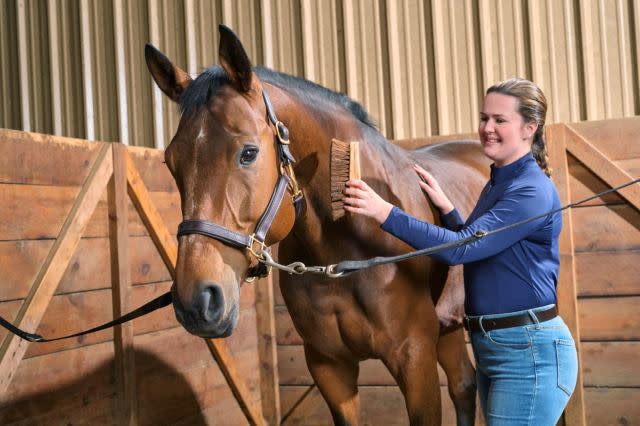
- Shedding and Grooming: Horses naturally shed their winter coats as temperatures rise. Regular brushing helps remove loose hair and supports skin health. Consider investing in quality grooming tools to make the process easier.
- Hoof Care: Wet, muddy conditions can lead to thrush or soft hooves. Pick out hooves daily and ensure turnout areas are as dry as possible.
- Vaccinations and Deworming: Spring is a common time for annual vaccinations and deworming. Consult your veterinarian to establish a schedule tailored to your region and horse’s needs.
Summer: Managing Heat, Hydration, and Insects
Hot weather brings its own set of challenges. Horses need extra attention to hydration, shade, and pest control to stay comfortable and healthy during the summer months.
- Water Intake: Ensure fresh, clean water is always available. Horses may drink more in the heat, so check and refill buckets or troughs frequently.
- Shelter and Shade: Provide access to shade, whether from trees, run-in sheds, or barns, to protect horses from direct sun and heat stress.
- Fly Control: Use fly masks, sprays, and regular manure removal to reduce insect irritation and the risk of disease transmission.
- Salt and Electrolytes: Supplement with salt blocks or electrolytes to replace minerals lost through sweat, especially for working horses.
- Monitor for Heat Stress: Watch for signs such as excessive sweating, rapid breathing, or lethargy. Take action quickly if you notice these symptoms.
Autumn: Preparing for Cooler Temperatures and Changing Forage
As days shorten and temperatures drop, horses begin to grow thicker coats and adjust to less abundant pasture. Autumn is the ideal time to prepare for the coming winter and make necessary adjustments to your management routine.
- Gradual Feed Changes: As grass growth slows, transition horses to hay slowly to avoid digestive upset. Monitor body condition and adjust rations as needed.
- Blanketing Decisions: Not all horses require blankets, but older, clipped, or thin-skinned horses may benefit from extra protection as nights get colder.
- Paddock Maintenance: Remove fallen leaves and debris to prevent mold and reduce slip hazards. Repair fencing and shelters before winter weather sets in.
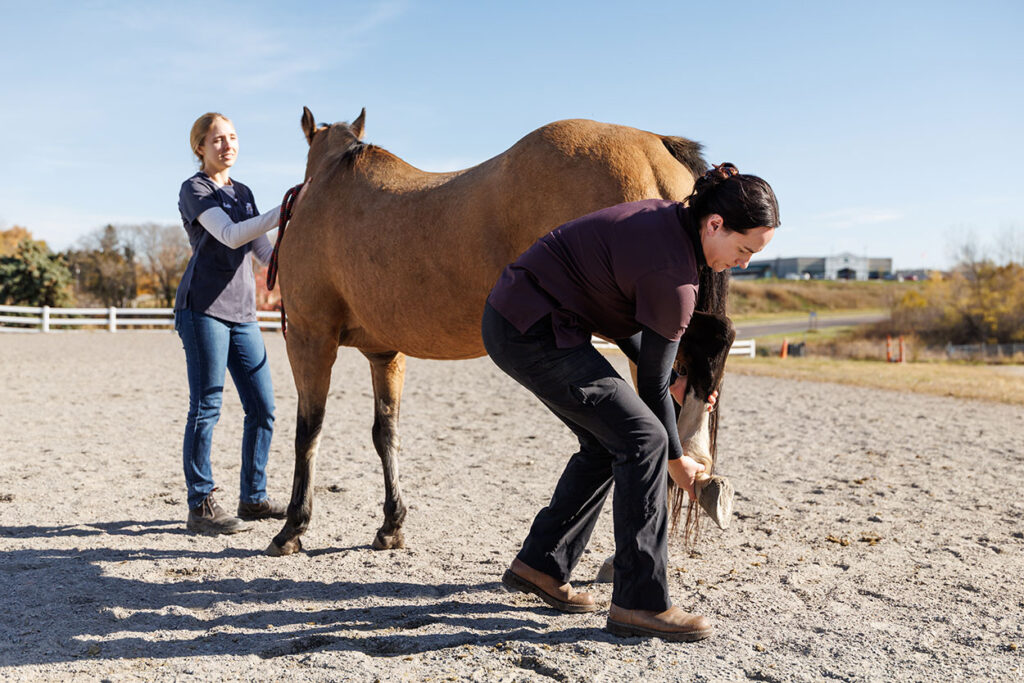
- Dental and Health Checks: Schedule dental exams and routine health checks to ensure your horse is in top shape before the harsher months.
Winter: Keeping Horses Healthy in Cold and Wet Conditions
Cold weather brings increased energy requirements and the need for shelter from wind, rain, and snow. Adapting your approach during winter is crucial for maintaining your horse’s health and comfort.
- Forage and Nutrition: Horses generate body heat through digestion, so provide ample hay. Monitor weight and adjust feed to maintain optimal body condition.
- Water Access: Prevent water from freezing by using heated buckets or breaking ice regularly. Dehydration is a risk even in cold weather.
- Shelter: Ensure access to a dry, draft-free shelter. Good ventilation is important to prevent respiratory issues.
- Hoof and Leg Care: Pick out hooves daily to remove packed snow or ice. Consider using hoof boots or pads if your horse is prone to bruising.
- Exercise: Keep horses moving to support circulation and prevent stiffness. Adjust exercise routines to suit footing and weather conditions.
Year-Round Essentials for Equine Well-Being
While each season has its own demands, some aspects of horse care throughout the seasons remain constant. Regular observation, routine health checks, and a proactive approach to management are vital for catching issues early and ensuring your horse’s comfort.
- Behavior and Vital Signs: Monitor your horse’s behavior and vital signs regularly. Early detection of changes can help prevent more serious health problems. For more on this, see our guides on horse behavior monitoring and horse vital signs monitoring.
- Consistent Feeding Schedule: Horses thrive on routine. Maintain a consistent feeding schedule and adjust rations based on seasonal needs. For detailed advice, refer to our horse feeding schedule article.
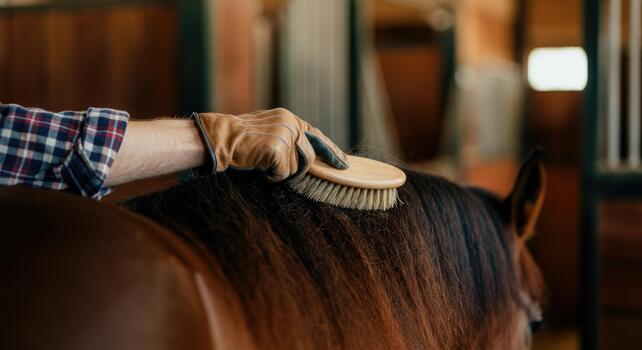
- Grooming and Hoof Care: Regular grooming supports skin and coat health, while daily hoof care helps prevent lameness and infections.
- Veterinary Partnership: Work closely with your veterinarian to develop a year-round care plan, including vaccinations, dental care, and parasite control. For a comprehensive overview, consult this basic horse care guide.
Frequently Asked Questions
How often should I change my horse’s diet with the seasons?
Dietary adjustments should be made gradually as pasture quality and availability change. In spring and autumn, introduce new feeds or increase hay slowly to avoid digestive upset. Monitor your horse’s weight and condition throughout the year and consult your veterinarian for personalized recommendations.
What are the signs of seasonal health problems in horses?
Common signs include changes in appetite, weight loss or gain, dull coat, lethargy, coughing, or signs of lameness. Seasonal allergies, respiratory issues, and hoof problems can also arise. Regular observation and prompt attention to any changes are key to early intervention.
Do all horses need blankets in winter?
Not every horse requires blanketing. Healthy horses with thick winter coats and access to shelter often do well without. However, older horses, those with thin coats, or those clipped for work may benefit from blankets during cold, wet, or windy weather. Assess each horse individually and monitor for signs of discomfort.
Conclusion
Adapting your management approach for horse care throughout the seasons helps ensure your horse remains healthy, comfortable, and happy year-round. By staying proactive and responsive to changing conditions, you’ll be well-equipped to meet your horse’s needs in every season. For more detailed information on specific care topics, explore related articles on this site and consult with your equine veterinarian regularly.