
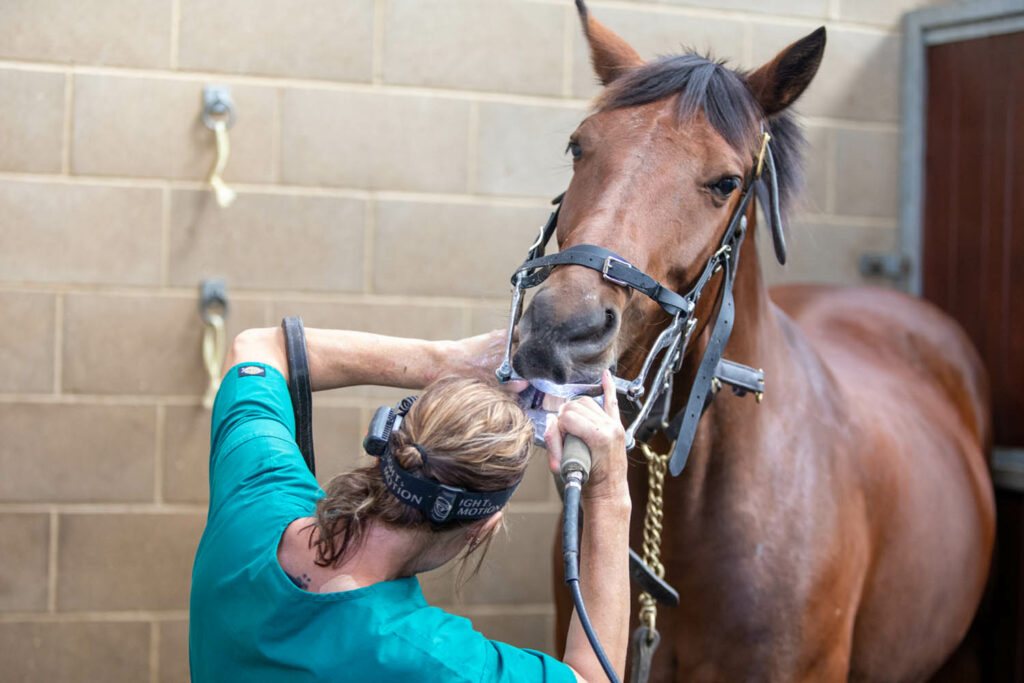
Welcoming a horse into your life is a rewarding experience, but it comes with significant responsibility. For those new to equine care, understanding the essentials of daily care for first time horse owners is crucial for your horse’s well-being and your peace of mind. This guide covers the practical routines, checks, and habits you’ll need to establish to ensure your horse stays healthy, happy, and safe every day.
From feeding and grooming to monitoring behavior and maintaining a safe environment, each aspect of daily horse care builds a foundation for a strong bond and a thriving animal. If you’re also concerned about your horse’s environment, you may find our horse pasture safety tips helpful for hazard-proofing your fields.
Establishing a Consistent Routine
Horses thrive on routine. Consistency in feeding, turnout, and exercise helps reduce stress and supports their physical and mental health. As a new owner, set regular times for feeding, cleaning, and checking on your horse. This predictability helps your horse feel secure and makes it easier to spot any changes in behavior or health.
- Feeding: Offer hay or pasture access and fresh water at the same times each day. Consult a veterinarian or equine nutritionist to develop a balanced diet and horse feeding schedule tailored to your horse’s age, weight, and activity level.
- Turnout: Allow your horse time to graze and move freely. Daily turnout supports digestion, hoof health, and mental stimulation.
- Exercise: Incorporate regular exercise, whether it’s riding, lunging, or hand-walking, based on your horse’s needs and fitness.
Daily Health Checks and Observation
Monitoring your horse’s health is a key part of daily care for new horse owners. Spend a few minutes each day observing your horse’s behavior, appetite, and physical condition. Early detection of issues can prevent more serious problems.
- Check for signs of injury, swelling, or lameness.
- Observe eating and drinking habits—changes may signal health concerns.
- Monitor manure and urine output for abnormalities.
- Feel your horse’s legs and hooves for heat or swelling.
- Look for signs of discomfort, such as restlessness or reluctance to move.
For more detailed guidance on what to watch for, our article on horse behavior monitoring can help you spot changes and red flags early.
Grooming and Hoof Care Essentials
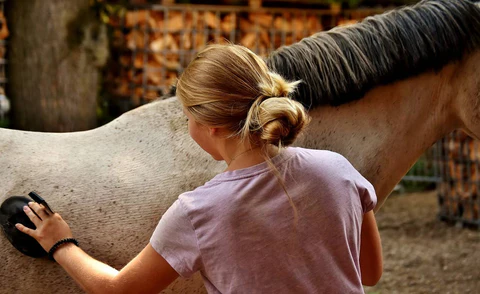
Regular grooming is more than just keeping your horse looking good—it’s an opportunity to check for cuts, skin issues, and ticks. Grooming also strengthens your bond and helps your horse relax.
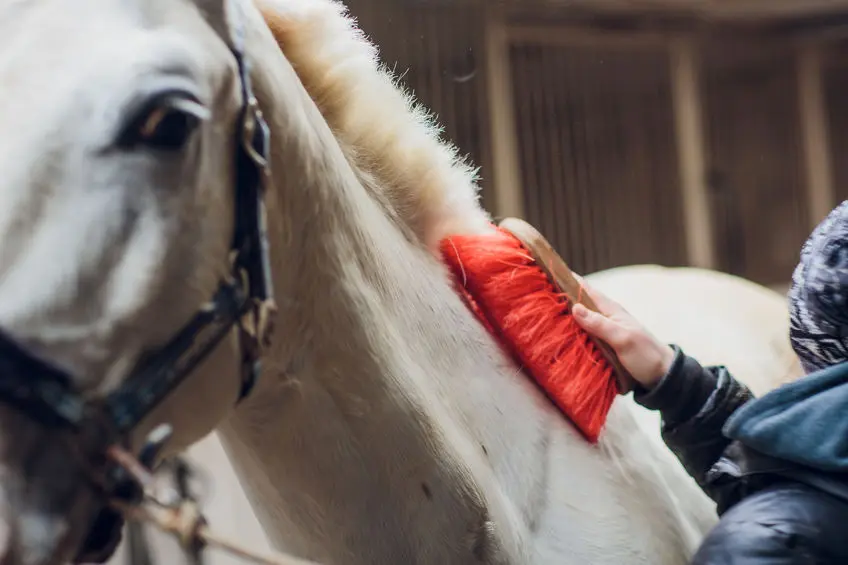
Key grooming tasks include:
- Brushing the coat to remove dirt and loose hair.
- Cleaning hooves daily to prevent thrush and check for stones or injuries.
- Checking for skin irritations, wounds, or parasites.
- Applying fly spray or liniment as needed for comfort and health.
Investing in a quality grooming kit and liniment gel can make these routines easier and more effective.
Water, Shelter, and Environment
Providing clean water and a safe environment is fundamental to horse care for beginners. Horses drink 5–10 gallons of water daily, so check and refill buckets or troughs at least twice a day. In hot or cold weather, pay extra attention to water availability and temperature.
- Ensure shelter is available to protect from extreme weather—shade in summer, windbreaks in winter.
- Inspect fencing and gates daily for damage or hazards.
- Remove toxic plants, sharp objects, and debris from turnout areas.
For more on keeping your horse’s living space safe, revisit our horse pasture safety tips.
Vital Signs and When to Call the Vet
Knowing your horse’s normal vital signs helps you recognize when something is wrong. Take time to learn how to check temperature, pulse, and respiration. Our horse vital signs monitoring resource provides step-by-step instructions for beginners.
| Vital Sign | Normal Range (Adult) | When to Call the Vet |
|---|---|---|
| Temperature | 99–101°F (37.2–38.3°C) | Above 102°F or below 98°F |
| Pulse | 28–44 bpm | Over 60 bpm at rest |
| Respiration | 8–16 breaths/min | Rapid, labored, or noisy breathing |
If you notice abnormal vital signs, persistent lameness, refusal to eat, or signs of colic (rolling, pawing, looking at the flank), contact your veterinarian promptly.
Manure Management and Stall Cleaning
Clean stalls and paddocks daily to reduce flies, odor, and disease risk. Remove manure and wet bedding, then add fresh bedding as needed. Regular cleaning also allows you to monitor your horse’s manure for changes in consistency or frequency, which can indicate health issues.
- Pick out stalls and shelters at least once a day.
- Compost manure or arrange for proper disposal.
- Keep feed and water containers clean to prevent contamination.
Understanding Horse Behavior and Social Needs
Horses are social animals that benefit from companionship and mental stimulation. Spend time interacting with your horse daily, whether through grooming, groundwork, or simply being present. Observe your horse’s interactions with other horses and humans to understand their temperament and comfort level.
Additional insights on equine behavior are available in our horse behavior monitoring guide, which helps new owners spot subtle signs of stress or discomfort.
Learning and Support Resources
As you settle into your new role, don’t hesitate to seek advice from experienced horse owners, trainers, and veterinarians. Reliable online resources, such as day-to-day horse management tips from veterinary experts, can supplement your learning and boost your confidence.
Joining local equestrian groups or online forums can also provide valuable support and answers to common questions about daily routines and problem-solving.
Frequently Asked Questions
How often should I groom my horse?
Ideally, groom your horse daily. This helps maintain coat health, allows you to check for injuries, and strengthens your bond. Even if you don’t ride every day, a quick grooming session is beneficial.
What should I include in my horse’s daily health check?
Look for changes in appetite, behavior, and manure. Check for injuries, heat or swelling in the legs, and monitor vital signs if your horse seems unwell. Early detection is key to preventing serious health issues.
How much water does a horse need each day?
Most adult horses require 5–10 gallons of fresh water daily. In hot weather or during heavy exercise, their needs may increase. Always ensure water sources are clean and accessible.
Conclusion
Taking on the responsibility of a horse for the first time is a significant commitment, but with the right knowledge and habits, it becomes a deeply rewarding journey. By focusing on consistent routines, attentive health checks, proper grooming, and a safe environment, you’ll set the stage for a healthy, happy partnership with your horse. Remember to keep learning, seek advice when needed, and enjoy every step of your equine adventure.