
Maintaining a horse’s coat so it gleams with health is a rewarding part of equine care. A shiny, well-groomed coat is not just about looks—it’s a sign of overall wellness, good nutrition, and attentive management. Whether you’re preparing for show season or simply want your companion to feel their best, understanding the essentials of horse coat care tips can make a significant difference.
From daily grooming routines to dietary adjustments and environmental considerations, there are several practical steps you can take to support your horse’s skin and hair. This guide covers proven strategies, common pitfalls, and expert advice to help you achieve a glossy, healthy coat for your equine partner.
Before diving into the details, it’s important to recognize that a glossy coat also reflects your horse’s general health. If you notice sudden changes in coat quality, it may be a sign to review their overall care or consult a veterinarian. For more insight on monitoring your horse’s well-being, you might find the article on spotting early signs of illness in horses especially useful.
Daily Grooming Habits That Enhance Coat Health
Consistent grooming is at the heart of every effective coat care routine. Not only does it remove dirt and loose hair, but it also stimulates natural oils, which are key to a shiny, resilient coat. Here are some essential horse coat care tips for your daily routine:
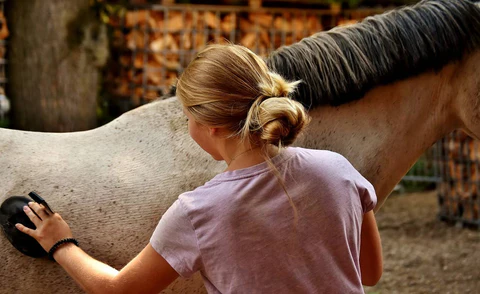
- Curry combing: Use a rubber curry comb in circular motions to loosen dirt and promote circulation. This step is crucial for distributing oils and keeping the skin healthy.
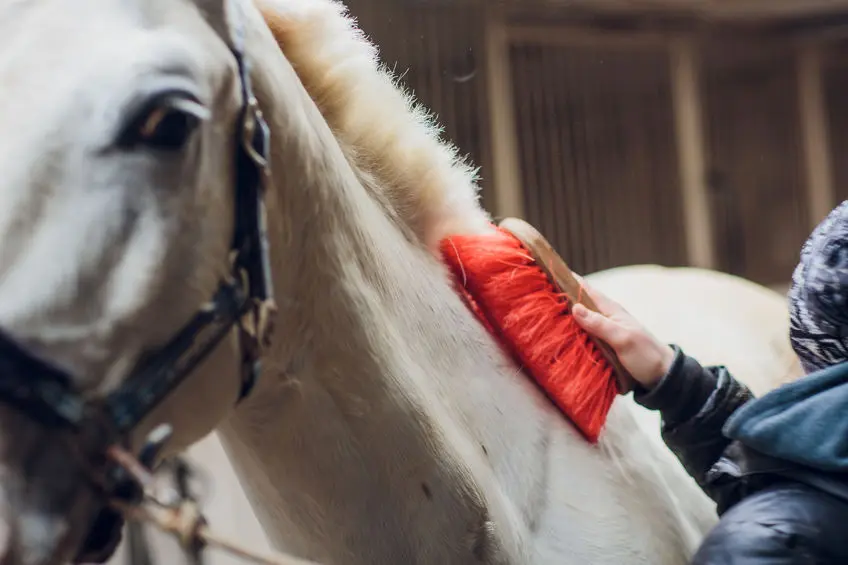
- Body brushing: Follow up with a stiff-bristled brush to remove debris and a soft brush for finishing touches. This helps bring out the natural shine.
- Hoof cleaning: Pick out hooves daily to prevent mud and bacteria buildup, which can affect overall health and, indirectly, coat quality.
- Mane and tail care: Detangle gently with your fingers or a wide-tooth comb to avoid breakage. Avoid over-brushing, which can cause hair loss.
Regular grooming also provides an opportunity to check for skin issues, parasites, or injuries. If you’re interested in more comprehensive routines, the comprehensive guide to horse care offers a broader look at daily, weekly, and seasonal responsibilities.
Nutrition’s Role in a Lustrous Coat
What your horse eats directly impacts the quality of their skin and hair. Balanced nutrition is one of the most effective horse coat care tips you can implement. Here’s what to focus on:
- High-quality forage: Good hay or pasture provides essential nutrients and fiber. Poor-quality forage can lead to a dull, brittle coat.
- Essential fatty acids: Omega-3 and omega-6 fatty acids, found in flaxseed or rice bran, help promote a soft, shiny coat.
- Vitamins and minerals: Ensure your horse receives adequate levels of copper, zinc, biotin, and vitamin E, all of which are vital for healthy skin and hair growth.
- Clean, fresh water: Hydration is often overlooked but is crucial for overall health and coat condition.
If you’re unsure about your horse’s diet, consult with an equine nutritionist or your veterinarian to tailor a feeding program that supports optimal coat health.
Environmental Factors Affecting Coat Quality
Even the best grooming and nutrition can be undermined by environmental stressors. Here are some practical steps to minimize their impact:
- Provide adequate shelter: Protect your horse from harsh weather, including strong sun, wind, and rain, which can dry out or damage the coat.
- Maintain clean living spaces: Regularly muck out stalls and paddocks to reduce exposure to mud, manure, and bacteria that can cause skin problems.
- Manage parasites: Implement a regular deworming and fly control program to prevent irritation and hair loss.
- Blanketing: Use blankets judiciously. Over-blanketing can flatten the coat and inhibit natural oil production, while under-blanketing can lead to a rough, patchy appearance.
For more on keeping your horse’s environment safe and supportive, the article on horse pasture safety tips provides additional guidance on hazard-proofing your fields.
Seasonal Adjustments for Optimal Shine
As the seasons change, so do your horse’s coat and care needs. Shedding in spring and growing a thicker coat in fall are natural processes, but you can support your horse through these transitions:
- Spring shedding: Use shedding blades or grooming blocks to help remove loose hair and stimulate new growth.
- Bathing: Occasional baths with mild, horse-safe shampoos can help remove sweat and dirt. Avoid over-bathing, which can strip natural oils.
- Winter care: During colder months, focus on thorough grooming and avoid unnecessary clipping unless required for work or health reasons.
Adapting your routine with the seasons helps maintain a vibrant coat year-round and keeps your horse comfortable.
Addressing Common Coat Issues
Even with the best care, horses can develop skin and coat problems. Here are some frequent issues and how to address them:
- Dull coat: Often linked to nutrition or lack of grooming. Review your feeding program and grooming habits.
- Rain rot or fungal infections: Keep your horse dry and clean. Consult your vet for treatment if you notice scabs or hair loss.
- Sweet itch or insect sensitivity: Use fly sheets and topical repellents. Address underlying allergies with veterinary guidance.
- Excessive shedding or bald patches: May indicate parasites, hormonal changes, or underlying illness. Seek veterinary advice if the problem persists.
For horses experiencing muscle soreness or recovery needs, you may also want to explore horse muscle care tips for additional support strategies.
Expert Recommendations for a Gleaming Coat
Experienced horse owners and professionals often share these tried-and-true suggestions for a healthy, shiny coat:
- Be patient—coat improvement takes time and consistency.
- Handle your horse gently to avoid skin irritation or hair breakage.
- Use grooming products sparingly and choose those formulated for equine skin.
- Monitor your horse’s behavior and comfort, as stress can impact coat quality.
Regular observation and a proactive approach are key to catching issues early and maintaining your horse’s natural brilliance.
Frequently Asked Questions
How often should I groom my horse for the best coat condition?
Daily grooming is ideal for most horses, especially those in regular work or turnout. Consistent brushing helps distribute oils, removes dirt, and allows you to check for skin issues. Even a quick daily session can make a noticeable difference in coat health.
What supplements help improve a horse’s coat?
Supplements containing omega-3 fatty acids (like flaxseed or fish oil), biotin, zinc, and copper are commonly used to support skin and hair quality. Always consult your veterinarian before adding new supplements to ensure they’re appropriate for your horse’s needs.
Can bathing too often harm my horse’s coat?
Yes, frequent bathing with harsh shampoos can strip the coat of natural oils, leading to dryness and dullness. Limit baths to when your horse is particularly dirty or before shows, and always use mild, horse-specific products. Rinse thoroughly to avoid residue buildup.
By following these practical horse coat care tips—from daily grooming and nutrition to environmental management—you’ll help your horse look and feel their best. Remember, a healthy coat is a reflection of attentive, holistic care and a strong partnership between horse and handler.