
Caring for your horse’s hooves is a fundamental part of equine health management. A consistent, thorough check each day can make a significant difference in preventing lameness, infections, and other hoof-related issues. This daily hoof inspection guide is designed to help horse owners and caretakers recognize early warning signs, maintain hoof health, and avoid costly or painful complications down the road.
Horses rely on healthy hooves for mobility, comfort, and overall well-being. Even minor hoof problems can escalate quickly if unnoticed, so developing a daily routine is essential. By learning what to look for and how to respond, you can ensure your horse stays active and comfortable. If you’re interested in broader equine wellness, you may also find value in resources like spotting early signs of illness in horses and other horse care guides.
Why Daily Hoof Checks Matter
Regular hoof inspections are not just a best practice—they are a necessity for every horse owner. Hooves are constantly exposed to moisture, mud, stones, and manure, all of which can cause problems if left unchecked. Early detection of issues such as cracks, thrush, abscesses, or foreign objects can prevent discomfort and reduce the risk of more severe complications.
A daily routine also helps you become familiar with your horse’s normal hoof condition, making it easier to spot subtle changes. This proactive approach supports not only hoof health but also your horse’s overall performance and happiness.
Essential Tools for Effective Hoof Inspections
Before you begin your daily routine, gather a few key tools to make the process efficient and thorough:
- Hoof pick – For removing dirt, stones, and debris from the sole and frog.
- Stiff brush – To clean the hoof surface and reveal cracks or abnormalities.
- Gloves – Optional, but helpful for hygiene and grip.
- Hoof testers – Useful for identifying sensitive areas, though not always required for daily checks.
A quality grooming kit can streamline your routine. Consider investing in reliable equipment such as the Weaver Horse Grooming Kit for daily use.
Step-by-Step: How to Perform a Thorough Hoof Check
Following a systematic process ensures nothing is missed during your daily inspection. Here’s a practical breakdown:
- Prepare Your Horse: Ensure your horse is calm and standing on a flat, dry surface. Approach quietly and handle legs gently.
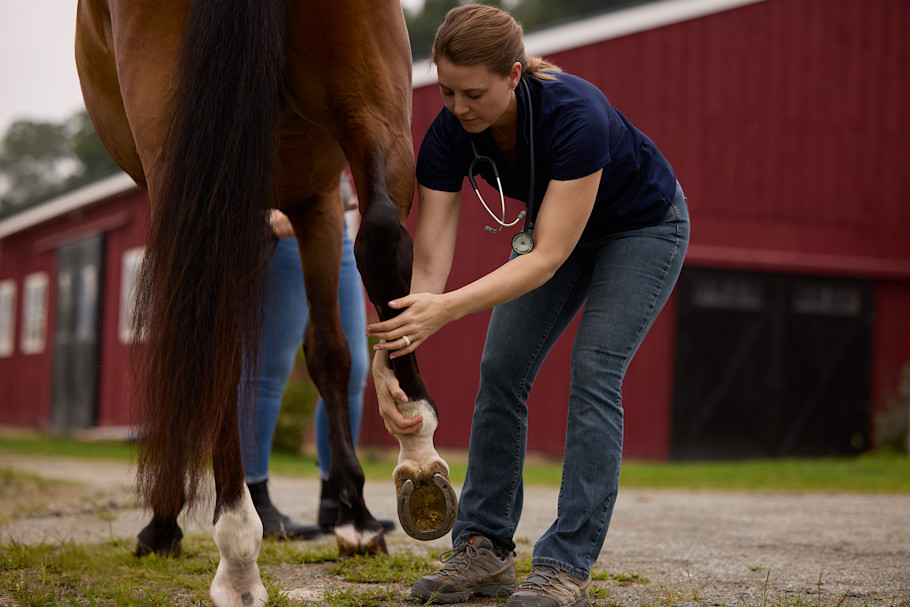
- Pick Up the Hoof: Face the rear of the horse, run your hand down the leg, and gently squeeze the fetlock to encourage lifting.
- Clean the Hoof: Use a hoof pick to remove all dirt, manure, and stones from the sole, paying special attention to the grooves beside the frog.
- Inspect the Sole and Frog: Look for punctures, bruises, or soft spots. The frog should be firm and free of foul odor.
- Check the Hoof Wall: Examine for cracks, chips, or flares. Small cracks can escalate if not addressed.
- Assess the Heel and Bars: Ensure there is no swelling, heat, or discharge.
- Repeat for All Hooves: Complete the same process for each foot, as problems can occur in any hoof.
Common Hoof Problems to Watch For
During your daily routine, keep an eye out for these frequent hoof issues:
- Thrush: A bacterial infection of the frog, often identified by a black, foul-smelling discharge. Prompt cleaning and treatment are essential.
- Cracks and Chips: Small cracks can become larger and compromise hoof integrity. Address promptly with farrier advice.
- Abscesses: Look for heat, swelling, or a sudden onset of lameness. Abscesses require veterinary attention.
- Bruising: Discoloration or sensitivity may indicate a bruise from a stone or hard surface.
- Foreign Objects: Stones, nails, or other debris can become lodged in the sole, leading to pain or infection.
If you notice any of these signs, consult your farrier or veterinarian for guidance. For more comprehensive equine care, you might also explore horse muscle care tips to support your horse’s overall health.
Integrating Hoof Checks Into Your Daily Routine
Making hoof inspections a habit is easier when you incorporate them into your regular grooming or turnout schedule. Here are some practical tips:
- Consistency: Perform checks at the same time each day, such as before or after exercise.
- Positive Reinforcement: Reward your horse for standing quietly, making the process smoother over time.
- Record Keeping: Note any changes or concerns in a logbook. This helps track patterns and provides useful information for your farrier or vet.
When to Call the Vet or Farrier
While daily checks help you catch minor issues early, some situations require professional intervention. Contact your veterinarian or farrier if you observe:
- Persistent lameness or reluctance to bear weight
- Deep cracks, bleeding, or visible puncture wounds
- Unusual swelling, heat, or discharge
- Signs of infection that do not improve with cleaning
Timely attention can prevent minor problems from becoming major setbacks. For additional guidance, refer to trusted resources like this comprehensive horse care guide for best practices.
Supporting Overall Horse Health Through Hoof Care
A well-executed hoof inspection routine does more than just protect the feet—it supports your horse’s comfort, movement, and long-term soundness. Pairing hoof checks with other wellness practices, such as monitoring horse behavior monitoring or learning about horse pasture safety tips, creates a holistic approach to equine care.
Remember, the foundation of a healthy horse starts from the ground up. By staying attentive and proactive, you can help your horse avoid unnecessary pain and enjoy a more active, fulfilling life.
Frequently Asked Questions
How often should I check my horse’s hooves?
Ideally, hooves should be inspected every day. Daily checks help you catch issues early and prevent small problems from escalating into serious health concerns.
What are the most common signs of hoof problems?
Watch for foul odors, cracks, heat, swelling, lameness, and foreign objects. Any sudden change in your horse’s gait or behavior may also indicate a hoof issue.
Can I treat minor hoof issues myself?
Basic cleaning and minor care can be managed at home, but persistent or severe problems should be evaluated by a professional. When in doubt, consult your farrier or veterinarian to ensure your horse receives the best care.