
Running a horse stable requires a blend of knowledge, organization, and daily commitment. Whether you manage a small private barn or a larger equestrian facility, following best practices for stable management ensures the health and happiness of your horses, the safety of your staff, and the efficiency of your operations. This article covers expert recommendations on daily routines, facility upkeep, horse care, and staff coordination to help you maintain a safe and productive environment.
For those interested in keeping their horses in top shape, it’s also important to pay attention to horse muscle care tips and other aspects of equine wellness. By integrating these strategies, stable owners and managers can create a thriving environment for both horses and humans.
Daily Routines for Effective Stable Operations
Consistency is at the heart of successful barn management. Establishing clear daily routines helps prevent issues before they arise and keeps horses content. Here are some essential daily tasks:
- Feeding and Watering: Provide fresh water and balanced feed at regular intervals. Monitor each horse’s intake to spot early signs of illness or stress.
- Stall Cleaning: Remove manure and soiled bedding daily to minimize odors, flies, and the risk of disease. Replace with clean, dry bedding.
- Turnout and Exercise: Allow horses time outside their stalls for exercise and socialization. Rotate pastures to prevent overgrazing and maintain grass health.
- Health Checks: Observe horses for changes in appetite, behavior, or physical condition. Early detection is crucial for preventing serious health problems.
For a deeper dive into maintaining your horse’s hygiene, see these equine hygiene best practices to keep your animals clean and comfortable.
Facility Maintenance and Safety Protocols
Maintaining a safe and functional facility is a cornerstone of stable management best practices. Regular inspections and prompt repairs help prevent accidents and keep horses healthy.
- Stall and Barn Inspections: Check for loose boards, protruding nails, and damaged latches. Repair hazards immediately to avoid injuries.
- Ventilation: Ensure good airflow to reduce dust and ammonia buildup, which can cause respiratory issues.
- Lighting and Electrical Safety: Use shatterproof bulbs and keep wiring out of reach. Test emergency lighting and fire alarms regularly.
- Cleanliness: Sweep aisles, remove cobwebs, and keep feed rooms tidy to deter pests and reduce fire risk.
When managing pastures, it’s important to follow horse pasture safety tips to minimize hazards and maximize grazing quality.
Horse Health and Preventative Care Strategies
Proactive health management is a vital part of running a successful barn. By adopting expert stable management techniques, you can reduce the risk of illness and injury among your horses.
- Vaccinations and Deworming: Follow a schedule recommended by your veterinarian to protect horses from common diseases and parasites.
- Hoof Care: Schedule regular farrier visits and inspect hooves for cracks, thrush, or other issues.
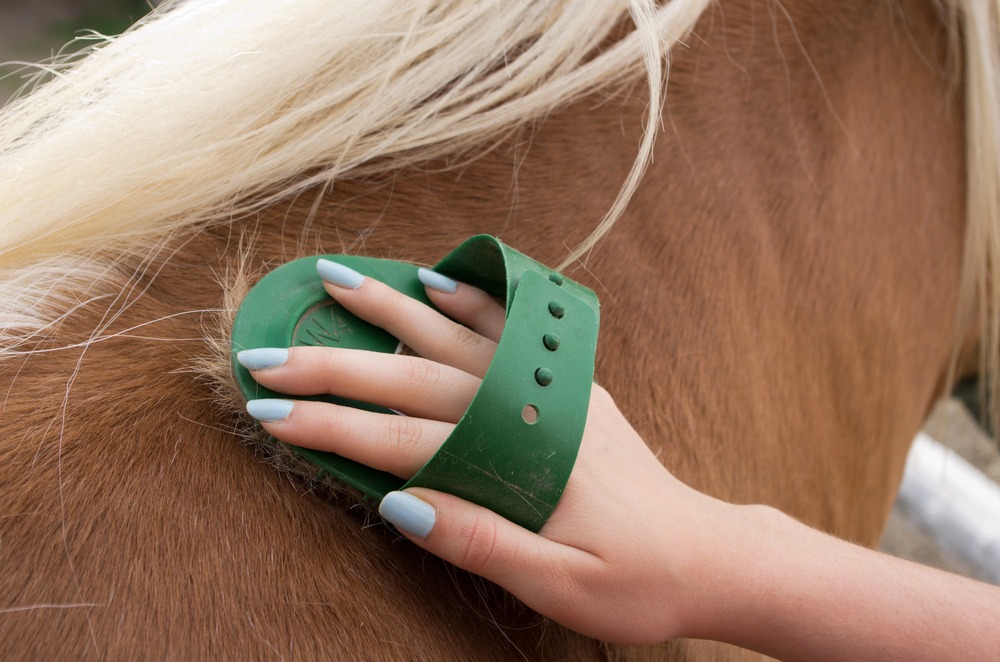
- Grooming: Daily grooming not only keeps coats clean but also allows for early detection of cuts, swelling, or skin conditions.
- Record Keeping: Maintain up-to-date health records for each horse, including vaccinations, dental care, and farrier visits.
To further enhance your horse care knowledge, you can read about spotting early signs of illness in horses and learn how to act quickly if problems arise.
For more in-depth guidance on preventative medicine and daily routines, consult this comprehensive guide to essential horse care tips from veterinary professionals.
Staff Training and Communication
Efficient barn management depends on a well-trained, communicative team. Everyone involved should understand their responsibilities and the facility’s protocols.
- Clear Job Descriptions: Define roles for feeding, cleaning, turnout, and emergency procedures.
- Regular Meetings: Hold briefings to discuss schedules, horse health updates, and any concerns.
- Emergency Preparedness: Train staff on fire safety, first aid, and evacuation plans. Keep emergency contacts visible and updated.
- Ongoing Education: Encourage attendance at clinics or workshops on horse care, safety, and management.
Open communication and teamwork help prevent misunderstandings and ensure that horses receive consistent, high-quality care.
Optimizing Horse Comfort and Well-Being
Comfortable, healthy horses are the result of thoughtful management and attention to detail. Here are some additional recommendations to enhance your barn’s environment:
- Stall Size and Bedding: Ensure stalls are spacious enough for horses to move comfortably. Use dust-free bedding and keep it dry.
- Social Interaction: Allow horses to see and interact with one another to reduce stress and boredom.
- Consistent Schedules: Horses thrive on routine. Feed, turnout, and exercise at the same times each day whenever possible.
- Noise Control: Minimize loud noises and sudden disruptions to keep horses calm.
Understanding how horses rest is also important. For more information, explore horse sleep habits explained to ensure your horses get the rest they need.
Frequently Asked Questions
What are the most important daily tasks in stable management?
The most crucial daily tasks include feeding and watering, cleaning stalls, providing turnout and exercise, and performing health checks. Consistency in these routines helps maintain horse health and barn cleanliness.
How can I prevent common health issues in my stable?
Preventative care such as regular vaccinations, deworming, hoof care, and daily grooming are essential. Keeping detailed health records and observing horses for early signs of illness can help you address problems before they escalate.
What should I look for when inspecting my stable for safety?
Inspect for broken boards, protruding nails, damaged latches, and electrical hazards. Ensure good ventilation, keep aisles clear, and maintain fire safety equipment. Regular inspections and prompt repairs are key to preventing accidents.
Conclusion
Implementing best practices for stable management is an ongoing process that requires dedication, organization, and a willingness to adapt. By focusing on daily routines, facility safety, horse health, and staff communication, you can create a stable environment that promotes the well-being of your horses and the satisfaction of your clients or owners. Stay informed, keep learning, and always prioritize the needs of your horses for a successful and rewarding stable management experience.