
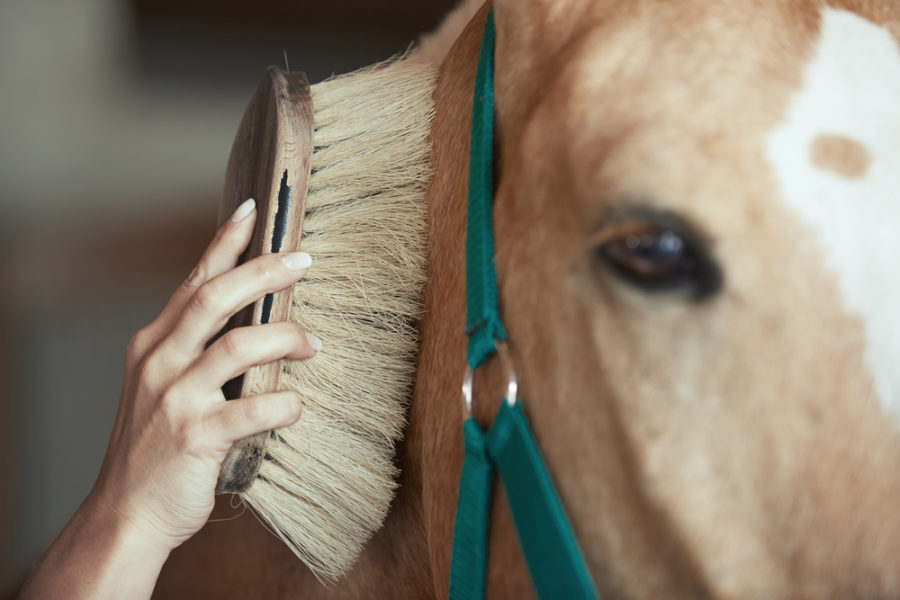
Caring for horses requires a solid grasp of essential routines, health practices, and management strategies. Whether you’re new to equine ownership or looking to refresh your knowledge, developing a strong foundation in understanding horse care fundamentals is crucial for your animal’s wellbeing. From nutrition and shelter to grooming and preventive healthcare, every aspect plays a role in keeping horses healthy, comfortable, and thriving.
Early attention to the basics not only prevents common health issues but also builds trust between you and your horse. For those seeking more detailed advice on related topics, you might also find value in reading about equine hygiene best practices, which covers cleanliness and disease prevention in depth.
Daily Routines and Stable Management
Establishing consistent routines is at the heart of effective horse care. Horses are creatures of habit and thrive when their days follow a predictable pattern. Key elements include:
- Feeding schedules: Offer high-quality forage and grain at the same times daily. Sudden changes in diet can upset digestion.
- Clean water: Ensure fresh, clean water is always available. Dehydration can lead to serious health problems.
- Manure removal: Clean stalls and paddocks regularly to reduce odor, flies, and the risk of disease.
- Exercise: Provide daily turnout or structured exercise to support physical and mental health.
For more on keeping your horse’s environment safe, see these horse pasture safety tips that help hazard-proof your fields and turnout areas.
Nutrition: The Foundation of Equine Health
Proper nutrition is a cornerstone of horse care basics. Horses require a diet rich in fiber, primarily from hay or pasture grass, supplemented with grains or concentrates as needed. Consider these points:
- Forage first: The majority of a horse’s diet should be hay or grass. This supports digestion and prevents colic.
- Balanced rations: Adjust feed based on age, workload, and health status. Overfeeding grain can cause metabolic issues.
- Salt and minerals: Provide access to a salt block or mineral supplement to meet trace nutrient needs.
Consult with an equine nutritionist or veterinarian to tailor your horse’s diet for optimal health and performance.
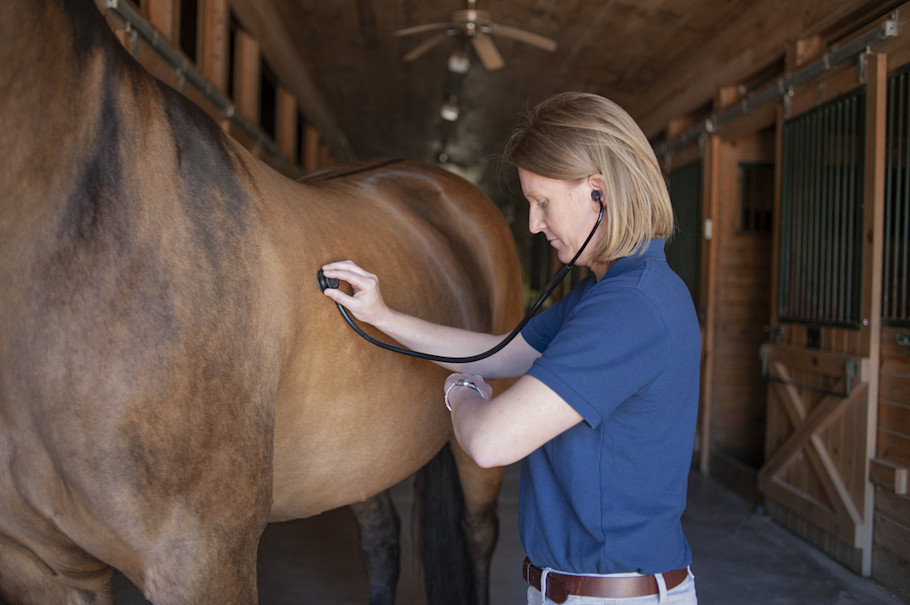
Grooming and Hygiene Essentials
Regular grooming is more than just keeping your horse looking good—it’s vital for skin health, circulation, and early detection of injuries or illness. Key grooming tasks include:
- Brushing: Removes dirt, loose hair, and stimulates natural oils in the coat.
- Hoof care: Pick out hooves daily to prevent thrush and check for stones or injuries.
- Bathing: Occasional baths help with cleanliness, especially in warm weather or after heavy work.
- Checking for wounds: Inspect for cuts, swelling, or signs of infection during grooming sessions.
Maintaining a clean environment and regular grooming routine reduces the risk of skin conditions and parasites. For more detailed advice, explore equine hygiene best practices.
Preventive Healthcare: Protecting Your Horse’s Wellbeing
Staying proactive with health management is a key part of understanding horse care fundamentals. Preventive measures help avoid costly and distressing illnesses. Essential practices include:
- Vaccinations: Follow your veterinarian’s recommended vaccination schedule for diseases common in your area.
- Deworming: Implement a parasite control program based on fecal egg counts and veterinary advice.
- Dental care: Schedule regular dental checkups to prevent sharp points and chewing problems.
- Hoof trimming: Have a farrier trim or shoe your horse every 6–8 weeks to maintain soundness.
Early detection of health issues is vital. If you’re interested in learning more about recognizing problems, see the guide on spotting early signs of illness in horses.
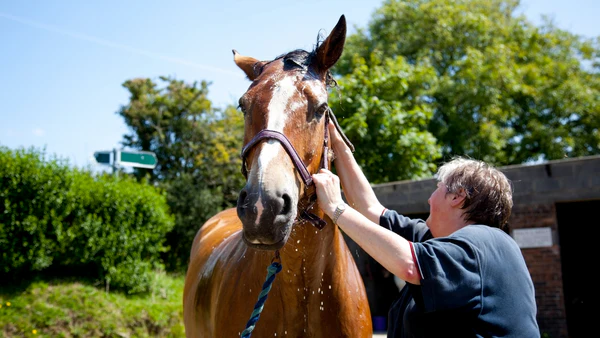
Shelter and Environmental Needs
Providing appropriate shelter is fundamental to your horse’s comfort and health. Horses need protection from extreme weather, wind, and insects. Consider these shelter essentials:
- Stabling: Ensure stalls are well-ventilated, dry, and free from hazards.
- Pasture shelters: Run-in sheds offer shade in summer and windbreaks in winter.
- Safe fencing: Use horse-safe materials and regularly inspect for damage.
For more on creating a secure environment, review horse pasture safety tips for practical advice on minimizing risks in turnout areas.
Behavior, Companionship, and Mental Wellbeing
Horses are social, intelligent animals that require mental stimulation and companionship. Addressing these needs is a vital part of responsible care:
- Social interaction: Whenever possible, allow horses to interact with others. Isolation can lead to stress and behavioral problems.
- Enrichment: Provide toys, varied environments, and regular training sessions to keep your horse mentally engaged.
- Routine: Consistency in handling and daily activities builds trust and reduces anxiety.
Understanding normal behavior also helps you spot signs of discomfort or illness. For insights into equine rest patterns, see horse sleep habits explained.
Choosing the Right Care Approach
Every horse is unique, and care should be tailored to individual needs. Factors such as age, breed, workload, and health status all influence the best management strategy. For a deeper look at different care models and how to select the most suitable for your horse, visit this comprehensive guide to horse management options.
Common Mistakes and How to Avoid Them
Even experienced owners can overlook key aspects of equine care. Some frequent pitfalls include:
- Inconsistent feeding or watering routines
- Neglecting regular hoof and dental care
- Overlooking subtle signs of illness or lameness
- Failing to provide adequate shelter or safe fencing
- Ignoring the importance of social interaction
Staying attentive and informed helps you avoid these mistakes and ensures your horse remains healthy and content.
FAQ: Horse Care Fundamentals
How often should I groom my horse?
Daily grooming is recommended, especially for horses kept in stalls or working regularly. It helps maintain coat health, allows early detection of injuries, and strengthens your bond with your horse.
What are the signs of a healthy horse?
A healthy horse has a shiny coat, clear eyes, normal appetite, regular manure, and stands and moves comfortably. Any changes in behavior, eating habits, or appearance should be investigated promptly.
How do I know if my horse’s diet is balanced?
Consult with a veterinarian or equine nutritionist to assess your horse’s body condition and dietary needs. Regularly monitor weight, energy levels, and overall health to ensure nutritional adequacy.
Why is preventive healthcare important for horses?
Preventive care, including vaccinations, deworming, and dental checkups, helps avoid serious illnesses and catches problems early, reducing long-term costs and improving your horse’s quality of life.
What should I do if I notice my horse acting differently?
Any sudden changes in behavior, appetite, or movement may indicate a health issue. Isolate the horse if needed and contact your veterinarian for advice. Early intervention is key to successful treatment.