
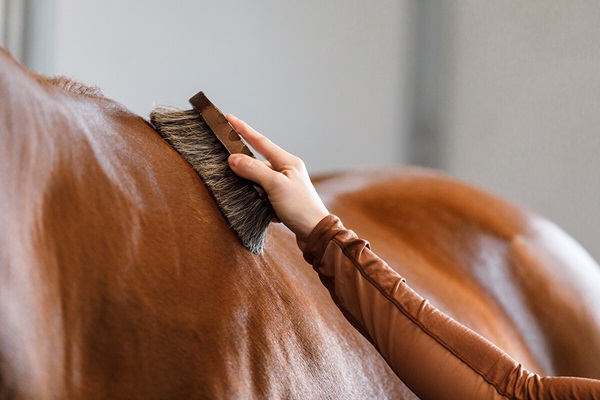
Consistent, attentive observation is the cornerstone of excellent horse care. By making a habit of checking your horse thoroughly each day, you can spot subtle changes in health, behavior, and comfort before they become serious issues. This guide shares practical daily horse observation tips to help you keep your equine partner healthy, happy, and safe.
Whether you’re an experienced horse owner or new to equine management, developing a daily routine for monitoring your horse’s appearance, attitude, and environment is essential. Early detection of problems can prevent costly veterinary bills, improve your horse’s quality of life, and strengthen your bond through attentive care.
For those interested in learning about other aspects of equine management, such as horse behavior monitoring, understanding these daily routines can provide a strong foundation for more advanced care.
Why Consistent Horse Observation Matters
Horses are masters at hiding discomfort and illness. Daily, systematic checks allow you to notice early warning signs that might otherwise go undetected. Regular observation helps you:
- Identify health issues before they escalate
- Monitor changes in appetite, drinking, and elimination
- Spot injuries, lameness, or swelling promptly
- Track behavioral shifts that could signal stress or pain
- Maintain a safer environment by noticing hazards
By integrating daily horse observation tips into your routine, you become more attuned to your horse’s individual quirks and needs, making it easier to distinguish between normal and abnormal behaviors.
Key Areas to Monitor Each Day
Effective daily checks involve more than a quick glance. Use these focus areas to guide your routine:
Physical Appearance and Body Condition
Look for changes in your horse’s coat, weight, and muscle tone. A healthy horse should have a shiny coat, clear eyes, and no unusual lumps or bumps. Pay attention to:
- Coat condition: Dullness, patchiness, or excessive shedding
- Eyes and nostrils: Discharge, redness, or swelling
- Legs and hooves: Heat, swelling, cuts, or cracks
- Body: Sudden weight loss or gain, visible ribs, or bloating
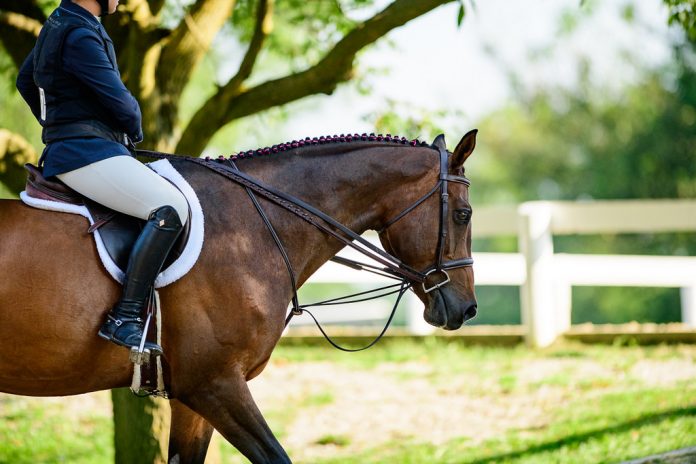
Behavior and Attitude
Observe your horse’s demeanor. Is your horse alert and interested in their surroundings? Sudden changes in behavior can indicate discomfort or illness. Watch for:
- Lethargy or unusual quietness
- Restlessness, agitation, or aggression
- Changes in social interactions with other horses
- Unusual vocalizations or withdrawal
For more in-depth information on recognizing behavioral changes and red flags, see our resource on horse behavior monitoring.
Eating, Drinking, and Elimination Habits
Monitoring your horse’s appetite and hydration is crucial. Note how much hay, grain, and water your horse consumes, and check for:
- Refusal to eat or drink
- Sudden increase or decrease in intake
- Changes in manure consistency or frequency
- Signs of colic, such as pawing, rolling, or looking at the flank
Consistent tracking of these habits can help you act quickly if something seems off. For more on feeding routines, explore our article on horse feeding schedule.
How to Structure Your Daily Observation Routine
Building a reliable routine ensures nothing is overlooked. Here’s a step-by-step approach:
- Start with a visual scan. Observe your horse from a distance before approaching, noting posture, alertness, and movement.
- Conduct a hands-on check. Run your hands over your horse’s body, legs, and hooves to feel for heat, swelling, or injuries.
- Monitor vital signs. Check temperature, pulse, and respiration if you notice anything unusual. Learn more about this in our guide to horse vital signs monitoring.
- Inspect the environment. Look for hazards in the stall or pasture, such as sharp objects, toxic plants, or unsafe fencing. For more details, see horse pasture safety tips.
- Record your findings. Keep a daily log of observations, especially if you notice changes or are monitoring a specific issue.
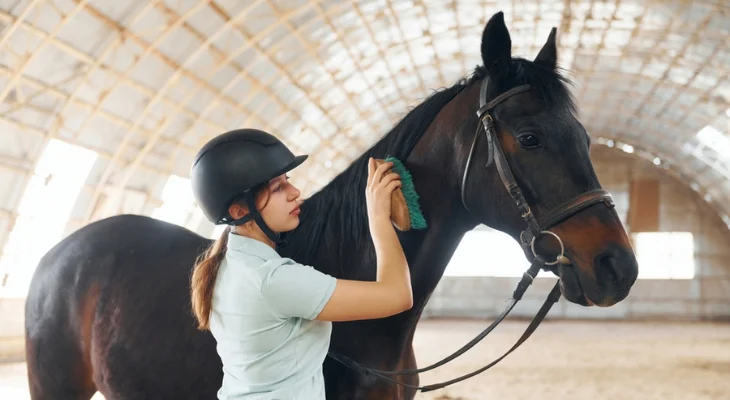
Common Red Flags to Watch For
Knowing what’s normal for your horse makes it easier to spot problems. Some warning signs that require prompt attention include:
- Sudden lameness or reluctance to move
- Labored breathing or persistent coughing
- Profuse sweating without exertion
- Persistent diarrhea or constipation
- Loss of appetite for more than one meal
- Unexplained swelling, especially in the legs or face
If you notice any of these symptoms, consult your veterinarian immediately. Early intervention can make a significant difference in outcomes.
Tools and Resources for Effective Horse Observation
Having the right tools on hand can make daily checks easier and more thorough. Consider keeping these items in your barn:
- Thermometer for checking temperature
- Stethoscope for listening to gut sounds and heart rate
- Hoof pick and grooming tools for daily cleaning and inspection
- Notebook or digital log for recording observations
For a deeper dive into care routines and management styles, visit this comprehensive guide to horse management and care types.
Tips for Building a Consistent Observation Habit
Consistency is key to successful horse monitoring. Here are some strategies to help you stick to your routine:
- Schedule observation at the same times each day, such as during feeding or turnout
- Involve all caretakers and share notes to ensure continuity
- Use checklists to avoid missing important steps
- Reward your horse with gentle handling and treats to make the process positive
By making daily checks a non-negotiable part of your routine, you’ll quickly become more skilled at noticing subtle changes and responding appropriately.
Frequently Asked Questions
How long should a daily horse check take?
A thorough daily observation typically takes 10–15 minutes per horse. With practice, you’ll become more efficient while still being attentive to important details.
What are the most important signs of illness to watch for?
Key signs include sudden changes in appetite, behavior, or movement; abnormal vital signs; visible injuries; and changes in manure or urine. Trust your instincts—if something seems off, investigate further or contact your veterinarian.
Can daily observation help prevent serious health issues?
Yes. Early detection through daily checks allows for prompt intervention, which can prevent minor issues from becoming major health problems. Consistent observation is one of the most effective preventive measures in equine care.