
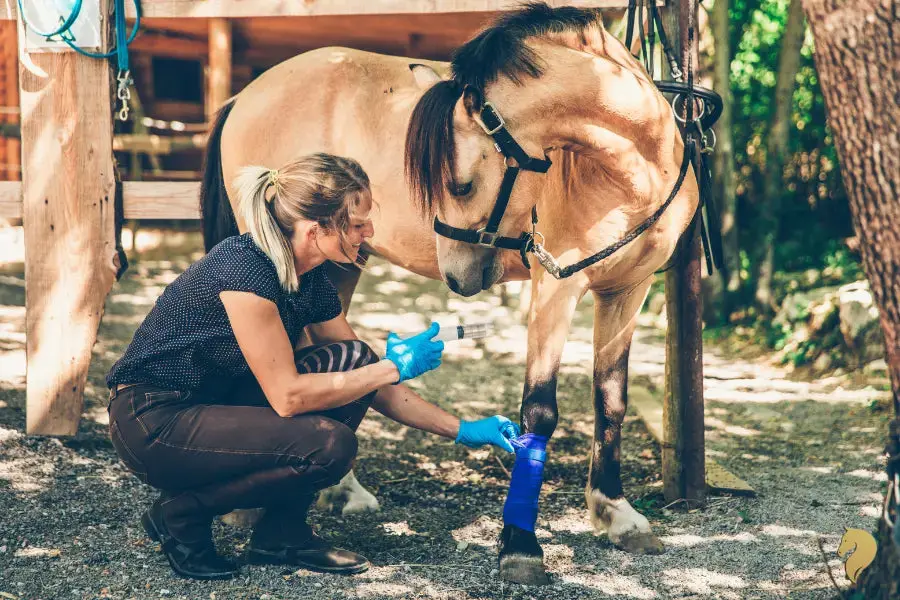
Maintaining healthy skin is essential for every horse’s comfort, performance, and overall well-being. Equine skin is sensitive and exposed to a variety of environmental stressors, including weather, insects, sweat, and dirt. Without proper attention, horses can develop irritation, dryness, or even more serious skin conditions. This guide covers practical horse skin care tips to help you recognize, treat, and prevent common sources of irritation, so your horse stays happy and healthy year-round.
Alongside daily grooming, it’s important to monitor your horse’s environment and routine for potential triggers. By understanding the basics of equine dermatology and adopting proactive management strategies, you can minimize discomfort and reduce the risk of skin problems. For a comprehensive approach to equine wellness, consider integrating advice from related resources, such as horse pasture safety tips, to ensure your horse’s surroundings are as safe as their skin care routine.
Why Equine Skin Health Matters
The skin is the body’s largest organ and acts as a barrier against infection, parasites, and environmental hazards. For horses, healthy skin supports thermoregulation, protects against UV rays, and prevents the entry of harmful bacteria or fungi. Issues like rain rot, sweet itch, and dermatitis can cause discomfort, behavioral changes, and even secondary infections if left unaddressed. That’s why regular attention to your horse’s skin is a cornerstone of responsible horse care.
Daily Horse Skin Care Routines
Consistent grooming is the foundation of effective horse skin care tips. Daily routines not only keep the coat clean and shiny but also allow you to spot early signs of irritation or injury. Here’s what a thorough daily routine should include:
- Brushing: Use a curry comb to loosen dirt and dead skin, followed by a stiff brush to remove debris. Pay attention to sensitive areas like the girth, underbelly, and legs.
- Inspection: Check for bumps, scabs, bald patches, or heat. Early detection of changes can prevent minor issues from becoming major problems.
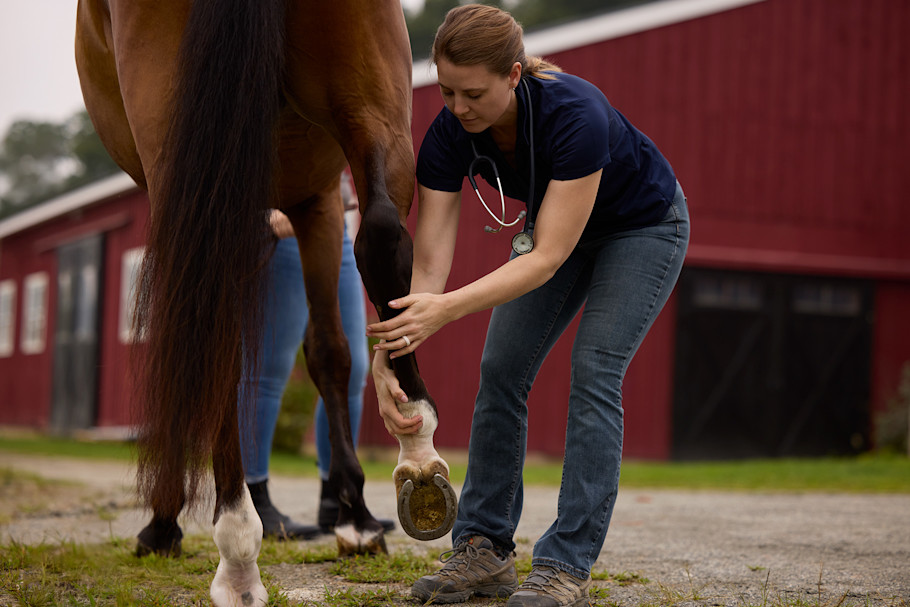
- Hoof Care: Clean hooves daily to prevent thrush and check for cracks or signs of infection.
- Bathing: Bathe only as needed using equine-safe shampoos. Over-bathing can strip natural oils and dry out the skin.
Common Causes of Skin Irritation in Horses
Understanding what triggers skin problems can help you prevent them before they start. Some of the most frequent causes include:
- Insect Bites: Flies, midges, and ticks can cause allergic reactions or transmit disease.
- Environmental Factors: Wet, muddy conditions or prolonged sun exposure can lead to rain scald or sunburn.
- Allergies: Horses may react to bedding, feed, or topical products.
- Poor Grooming: Infrequent cleaning allows sweat, dirt, and bacteria to build up, increasing the risk of skin infections.
To minimize these risks, keep stalls and paddocks clean, use fly protection, and choose bedding and grooming products that are gentle and hypoallergenic.
How to Treat and Soothe Irritated Skin
If you notice redness, swelling, or scabs, prompt action is key. Here are some steps to help your horse recover:
- Clean the Area: Gently wash with lukewarm water and a mild, fragrance-free shampoo.
- Dry Thoroughly: Moisture can worsen irritation. Pat the area dry with a clean towel.
- Apply Soothing Products: Use veterinarian-approved creams or gels designed for equine skin. For example, liniment gels can help reduce inflammation and discomfort.
- Monitor Progress: Check the affected area daily. If symptoms persist or worsen, consult your veterinarian.
Never use human products or harsh chemicals, as these can aggravate sensitive equine skin.
Prevention Strategies for Healthy Equine Skin
Prevention is always better than cure. Incorporate these strategies into your routine to keep your horse’s skin in top condition:
- Provide Adequate Shelter: Protect your horse from extreme weather, including sun, rain, and wind.
- Use Fly Sheets and Masks: These help reduce insect bites and associated irritation.
- Rotate Pastures: Moving horses between fields can help break parasite cycles and reduce mud-related issues.
- Feed a Balanced Diet: Good nutrition supports skin health. Ensure your horse receives essential fatty acids, vitamins, and minerals.
- Regular Veterinary Checkups: Routine exams help catch skin issues early and ensure your horse’s overall health is on track. For more on monitoring your horse’s health, see our resource on horse vital signs monitoring.
Choosing the Right Grooming Products
Selecting appropriate grooming tools and topical products is crucial. Look for brushes with soft bristles for sensitive areas and avoid shampoos with harsh detergents or artificial fragrances. Hypoallergenic and natural ingredient-based products are often best for horses prone to irritation. When in doubt, consult your veterinarian for recommendations tailored to your horse’s unique needs.
When to Consult a Veterinarian
While most minor skin irritations can be managed at home, some conditions require professional attention. Contact your vet if you notice:
- Persistent sores, swelling, or discharge
- Rapidly spreading rashes or bald patches
- Signs of pain, lameness, or behavioral changes
- Unexplained weight loss or fever
Prompt veterinary care can prevent complications and ensure your horse receives the most effective treatment.
Additional Resources for Equine Management
For a broader understanding of horse care, explore resources like this comprehensive guide to proper horse management. Staying informed about all aspects of equine health, from feeding schedules to behavior monitoring, will help you create a holistic care plan for your horse.
You may also find it helpful to read about horse behavior monitoring to spot early signs of discomfort or distress that may be linked to skin issues.
Frequently Asked Questions
What are the most common skin problems in horses?
Some of the most frequent skin issues in horses include rain rot, sweet itch, ringworm, and dermatitis. These can be caused by bacteria, fungi, parasites, or allergies. Early detection and consistent grooming are key to managing these conditions.
How often should I groom my horse to prevent skin irritation?
Daily grooming is ideal for most horses, especially those in regular work or living in muddy or dusty environments. Regular brushing removes dirt, sweat, and loose hair, helping to prevent blocked pores and irritation.
Can diet affect my horse’s skin health?
Yes, nutrition plays a significant role in skin and coat condition. A balanced diet rich in omega-3 fatty acids, vitamins, and minerals supports healthy skin. Consult your veterinarian or equine nutritionist to ensure your horse’s diet meets all their needs.
Should I use fly sprays or sheets for sensitive horses?
Fly sheets and masks are often safer for horses with sensitive skin, as some fly sprays can cause reactions. If you use sprays, choose products formulated for sensitive horses and test on a small area first.
By following these horse skin care tips and staying attentive to your horse’s needs, you can help prevent irritation and ensure your equine companion enjoys healthy skin all year long.