
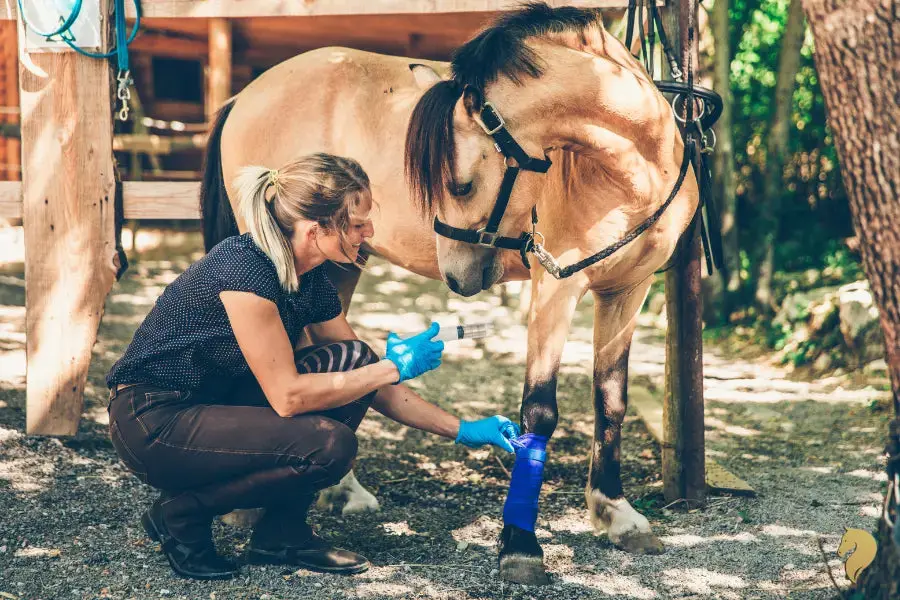
Ensuring your horse thrives requires more than just meeting its basic needs. A holistic approach to keeping horses happy and healthy considers physical, mental, and emotional well-being. From nutrition and exercise to social interaction and preventive care, every aspect of your horse’s life plays a role in their overall vitality. In this guide, you’ll find practical advice for nurturing your horse’s health and happiness, whether you’re a new owner or an experienced equestrian.
Before diving into daily care routines, it’s important to recognize how interconnected each element of horse management is. For example, regular grooming not only keeps your horse clean but also strengthens your bond and allows you to spot early signs of discomfort. Likewise, a safe and stimulating environment can prevent boredom and stress-related behaviors. If you’re interested in best practices for equine hygiene, equine hygiene best practices is a valuable resource to explore alongside this article.
Essential Nutrition for Equine Wellness
Proper nutrition forms the foundation of a horse’s well-being. Horses are grazing animals, and their digestive systems are designed for a steady intake of fibrous forage. To promote optimal health:
- Provide constant access to clean, fresh water.
- Offer high-quality hay or pasture as the primary food source.
- Supplement with grains or concentrates only if necessary, based on your horse’s workload and condition.
- Monitor body condition regularly and adjust feed accordingly.
- Ensure access to salt and essential minerals, either through a block or loose supplement.
Consult with an equine nutritionist or veterinarian to tailor a diet plan that meets your horse’s unique needs. Remember, sudden changes in diet can cause digestive upset, so introduce any new feeds gradually.
Daily Routines for Physical and Mental Stimulation
Regular exercise and mental engagement are crucial for keeping horses happy and healthy. Horses are naturally active and social, and they benefit from routines that challenge both body and mind. Consider the following:
- Turnout: Allow your horse ample time to move freely in a safe paddock or pasture. This supports joint health and reduces stress.
- Exercise: Incorporate a mix of groundwork, riding, and varied activities to prevent boredom and maintain fitness.
- Enrichment: Use toys, obstacles, or new environments to stimulate curiosity and learning.
- Socialization: Whenever possible, provide opportunities for your horse to interact with other horses. Herd dynamics are important for emotional well-being.
For more on creating a safe environment, review these horse pasture safety tips to hazard-proof your fields and reduce the risk of injury.
Preventive Health: Veterinary and Hoof Care
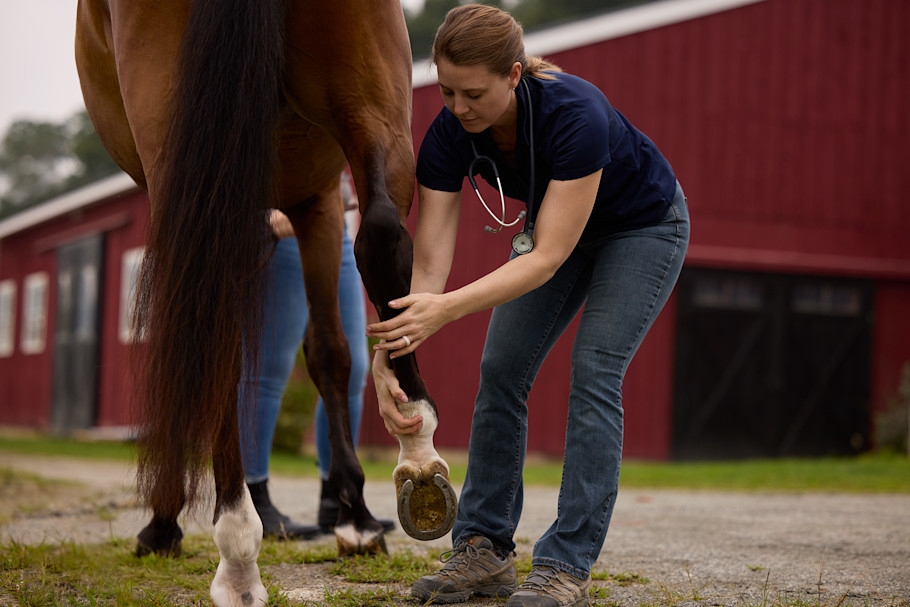
Routine preventive care is essential for maintaining your horse’s vitality. Establish a schedule for:
- Vaccinations and deworming, as recommended by your veterinarian.
- Dental check-ups, typically once or twice a year, to prevent discomfort and ensure proper chewing.
- Hoof trimming or shoeing every 6–8 weeks, depending on activity and terrain.
- Regular grooming to spot skin issues, parasites, or injuries early.
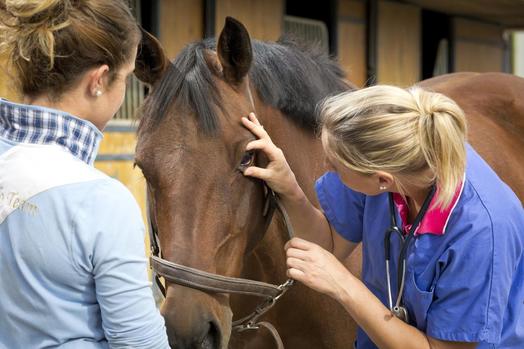
Early detection of health issues can make a significant difference in outcomes. Learn to recognize subtle changes in behavior, appetite, or movement. For guidance on identifying illness, see spotting early signs of illness in horses for vital tips on what to watch for.
In addition, maintaining a clean environment and practicing good hygiene helps prevent the spread of disease. Disinfect water buckets, feed tubs, and grooming tools regularly.
Comfort, Rest, and Emotional Well-Being
Horses need a comfortable, secure environment to rest and recharge. Provide shelter from extreme weather, clean bedding, and a quiet space for undisturbed sleep. Understanding horse sleep habits explained can help you create the right conditions for restorative rest.
Emotional health is just as important as physical care. Horses are sensitive animals that respond to their handlers’ moods and routines. Consistency, gentle handling, and positive reinforcement foster trust and reduce anxiety. Spend time simply being with your horse—grooming, hand grazing, or quiet companionship all contribute to a sense of security and happiness.
If your horse shows signs of stress, such as weaving, cribbing, or excessive pacing, investigate possible causes. These behaviors may indicate boredom, discomfort, or social isolation. Adjusting turnout, providing enrichment, or consulting with an equine behaviorist can help address underlying issues.
Holistic Approaches to Muscle and Joint Care
Maintaining muscle and joint health is a key aspect of overall well-being. Regular movement, proper warm-up and cool-down routines, and appropriate footing all help prevent injuries. For additional strategies, explore horse muscle care tips for soreness relief and recovery.
Massage, stretching, and the use of supportive products like liniments can also promote comfort and flexibility. Always consult with your veterinarian or an equine therapist before introducing new therapies.
Building a Strong Human-Horse Bond
Trust and communication are at the heart of a successful partnership. Spend time learning your horse’s unique preferences and body language. Training sessions should be positive, patient, and adapted to your horse’s learning style. Celebrate small successes and avoid punishment-based methods, which can damage trust.
For those new to horse care, resources like this complete guide to horse ownership for beginners offer a comprehensive overview of what to expect and how to build a rewarding relationship with your equine companion.
Frequently Asked Questions
What are the most important daily routines for horse well-being?
Daily routines should include feeding high-quality forage, providing fresh water, regular turnout for movement, grooming, and checking for injuries or signs of illness. Consistent schedules help reduce stress and keep horses content.
How can I tell if my horse is happy?
Signs of a content horse include a relaxed posture, bright eyes, healthy appetite, willingness to interact, and absence of stress behaviors like weaving or cribbing. Regular observation helps you recognize your horse’s normal behavior and spot changes early.
What should I do if my horse shows signs of discomfort or illness?
If you notice changes in appetite, movement, behavior, or appearance, consult your veterinarian promptly. Early intervention is key to resolving health issues. For more information, review tips on spotting early signs of illness in horses.
Conclusion
Supporting your horse’s health and happiness is an ongoing process that combines attentive care, preventive practices, and a nurturing environment. By focusing on nutrition, exercise, emotional well-being, and regular check-ups, you’ll help your horse thrive for years to come. Remember, every horse is unique—observe, adapt, and enjoy the journey together.