
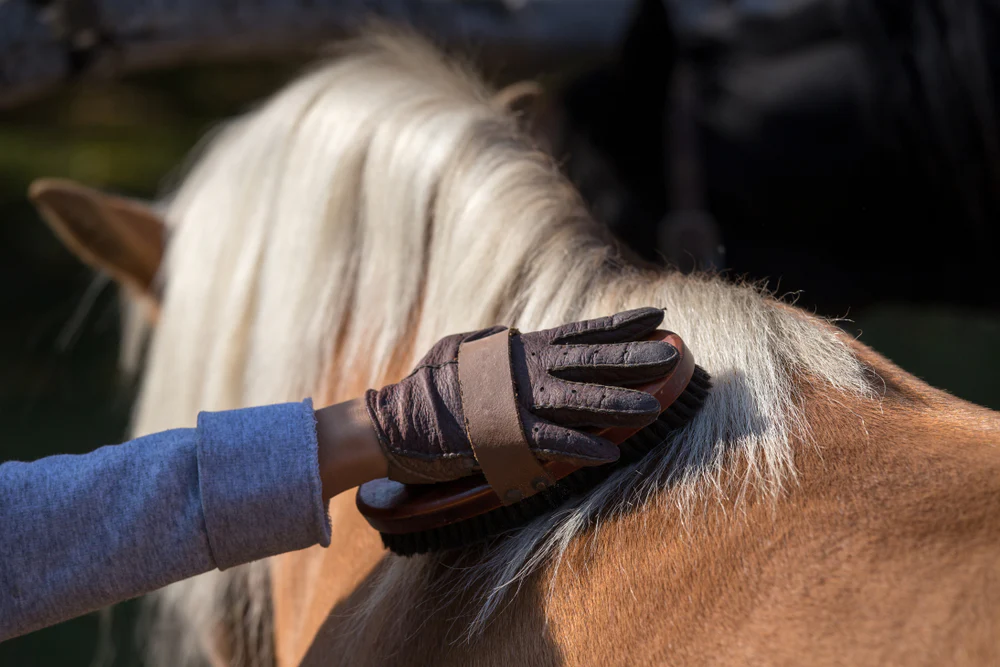
Supporting horse recovery after exercise is essential for maintaining equine health, performance, and long-term soundness. Whether your horse is a competitive athlete or enjoys regular pleasure rides, the right post-workout routine helps prevent soreness, reduces the risk of injury, and promotes faster muscle repair. This guide outlines the most effective steps to take after your horse has finished exercising, focusing on practical actions you can implement immediately for optimal results.
Understanding the fundamentals of equine recovery will not only benefit your horse’s well-being but also extend their athletic career. Early attention to post-exercise needs—such as cooling down, hydration, and muscle care—can make a significant difference. For those interested in a deeper dive into muscle management, you may find horse muscle care tips especially helpful as a complementary resource.
Why Post-Exercise Care Matters for Horses
After physical activity, a horse’s body undergoes several physiological changes. Muscles accumulate lactic acid, heart and respiratory rates are elevated, and body temperature rises. Without proper attention, these factors can lead to muscle stiffness, dehydration, and even heat stress. Implementing a structured recovery routine ensures your horse returns to a resting state safely and comfortably.
Neglecting post-workout care can result in delayed onset muscle soreness, compromised immune function, and increased risk of injury. By focusing on equine recovery routines, you help your horse adapt to training, recover faster, and stay motivated for future sessions.
Essential Steps for Effective Horse Recovery after Exercise
To maximize the benefits of your horse’s workout and minimize potential setbacks, follow these core steps immediately after exercise:
1. Gradual Cool Down
Begin with a slow walk—either in-hand or under saddle—for 10 to 20 minutes. This allows your horse’s heart rate and breathing to return to normal and helps flush metabolic waste from the muscles. Avoid abrupt stops, as this can trap heat and lactic acid in the tissues.
2. Hydration and Electrolyte Support
Offer clean, fresh water as soon as your horse finishes cooling down. If the workout was intense or the weather is hot, consider providing electrolytes to replace minerals lost through sweat. Monitor water intake closely, as dehydration can occur quickly and hinder recovery.
3. Rinsing and Sweating Out
Hose your horse with cool water, focusing on large muscle groups and areas prone to heat buildup. Scrape off excess water to prevent overheating. In cooler weather, use a damp sponge and towel dry, then apply a sweat sheet if needed to wick away moisture without chilling the horse.
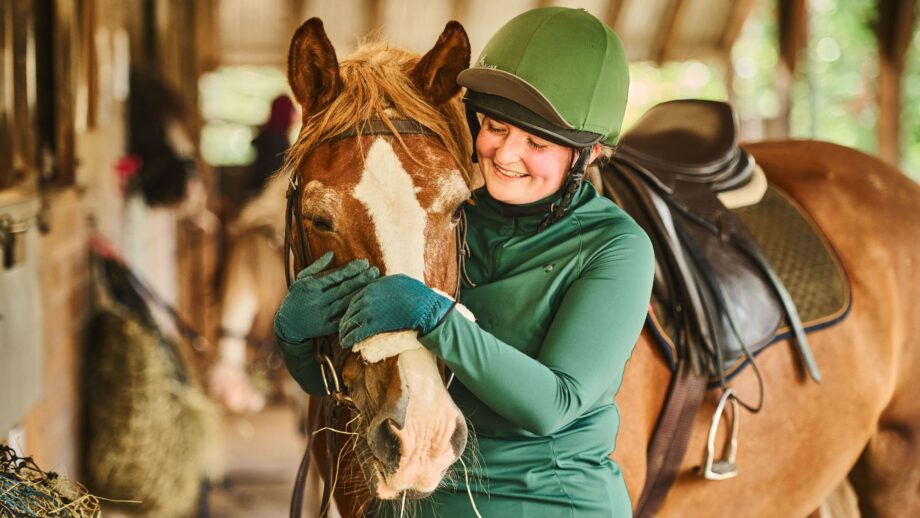
4. Grooming and Muscle Assessment
Thorough grooming post-exercise not only removes sweat and dirt but also gives you the chance to check for heat, swelling, or sensitivity. Use a curry comb and soft brush to stimulate circulation, and pay attention to any changes in your horse’s muscles or legs. For further reading on keeping your horse clean and healthy, see these equine hygiene best practices.
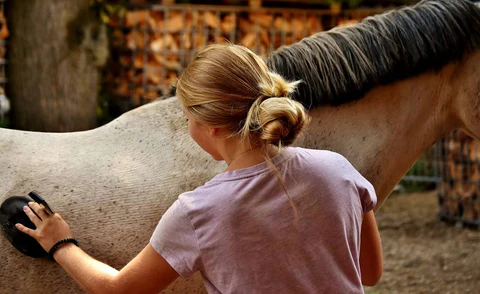
5. Targeted Muscle Support
After drying and grooming, consider applying a liniment gel or muscle rub to areas that worked hardest. These products can help reduce inflammation and promote circulation. Always follow manufacturer instructions and monitor for any skin reactions. For more advanced muscle care, revisit the horse muscle care tips resource for in-depth advice.
6. Leg Care: Cold Therapy and Bandaging
For horses engaged in strenuous activity, cold hosing or ice boots on the lower legs can help minimize inflammation and prevent tendon injuries. If your horse is prone to stocking up (fluid accumulation in the legs), consider using standing wraps after consulting your veterinarian or trainer. Always ensure legs are clean and dry before applying any wraps or boots.
7. Nutrition and Rest
Once your horse is fully cooled out and dry, provide access to hay and, if appropriate, a small grain meal. Avoid feeding large amounts of concentrate immediately after exercise, as digestion is less efficient when the horse is still hot. Allow your horse to rest in a comfortable, safe environment—either in a stall or turnout paddock. For tips on keeping turnout areas safe, consult these horse pasture safety tips.
Monitoring Your Horse’s Recovery Progress
Observe your horse closely in the hours after exercise. Signs of effective recovery include a normal appetite, steady drinking, relaxed demeanor, and sound movement. Watch for warning signs such as excessive sweating, reluctance to move, heat in the legs, or abnormal breathing. If you notice anything concerning, consult your veterinarian promptly.
Regularly tracking your horse’s post-workout recovery will help you adjust routines as needed and catch potential problems early. For guidance on identifying health issues, see these tips on spotting early signs of illness in horses.
Additional Tips for Optimizing Equine Recovery
- Consistency: Develop a post-exercise routine and stick to it, so your horse knows what to expect.
- Environment: Ensure your horse’s resting area is free from hazards and provides adequate shelter and ventilation.
- Sleep: Quality rest is vital for muscle repair. Learn more about equine sleep patterns in this resource on horse sleep habits explained.
- Education: If you’re new to horse ownership, consider reading a complete guide for new horse owners to build a solid foundation in care and management.
Frequently Asked Questions
How long should a horse cool down after exercise?
The cool-down period typically lasts 10 to 20 minutes, depending on the intensity of the workout and the horse’s fitness level. Walking until the horse’s breathing and heart rate return to normal is a good rule of thumb.
What are the signs of poor recovery in horses?
Signs include persistent sweating, reluctance to move, stiffness, swollen legs, loss of appetite, or abnormal behavior. If you observe any of these, consult your veterinarian for advice.
Can I feed my horse immediately after exercise?
It’s best to wait until your horse is fully cooled out and breathing normally before offering grain or concentrates. Hay and water can be provided sooner, but avoid large meals until your horse is fully recovered from exertion.
Is it necessary to use liniments or ice boots after every workout?
For light exercise, these may not be necessary. However, after intense training or competition, liniments and cold therapy can help reduce inflammation and support muscle recovery. Always tailor your approach to your horse’s individual needs and workload.
Supporting horse recovery after exercise is a cornerstone of responsible equine care. By following these post-workout steps, you help your horse stay healthy, comfortable, and ready for their next adventure.