
Integrating horse training as part of daily care is one of the most effective ways to build trust, improve behavior, and ensure your horse’s well-being. Rather than reserving training for special sessions, weaving it into daily routines helps reinforce good habits and makes handling safer and more enjoyable for both horse and handler. This approach is practical for busy owners and beneficial for horses of all ages and experience levels.
By making small, consistent adjustments to how you interact with your horse during grooming, feeding, and turnout, you can reinforce positive behaviors and address minor issues before they become bigger problems. This guide explores simple, time-efficient methods to make training a natural part of your everyday horse care routine.
For those interested in maintaining overall equine health, you may also find horse muscle care tips helpful for managing soreness and supporting recovery after exercise or training.
Why Daily Interactions Matter for Training
Every moment you spend with your horse is an opportunity to teach and reinforce desired behaviors. Horses are highly observant and learn from every interaction, whether you’re leading them to pasture, cleaning their hooves, or simply standing together in the barn. By being intentional during these moments, you can shape your horse’s manners and responsiveness without needing extra time set aside for formal lessons.
Making training a part of daily care also helps prevent the development of bad habits. For example, a horse that learns to stand quietly while being groomed is less likely to fidget or become pushy in other situations. Consistency is key—small, repeated cues build lasting understanding.
Simple Ways to Incorporate Training into Routine Tasks
There are many ways to blend horse training as part of daily care into your regular schedule. Here are some practical methods:
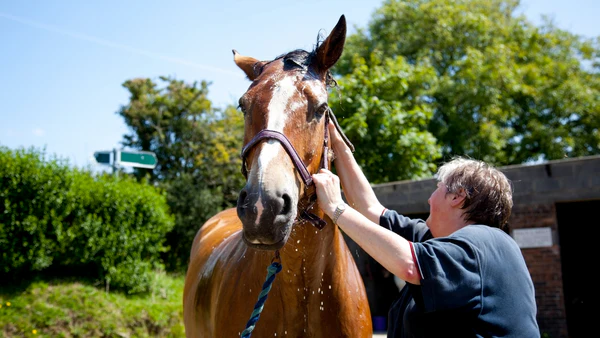
- Leading and Haltering: Always require your horse to stand still and lower its head when you put on or remove the halter. Practice leading with the horse walking beside you, stopping when you stop, and backing up on cue.
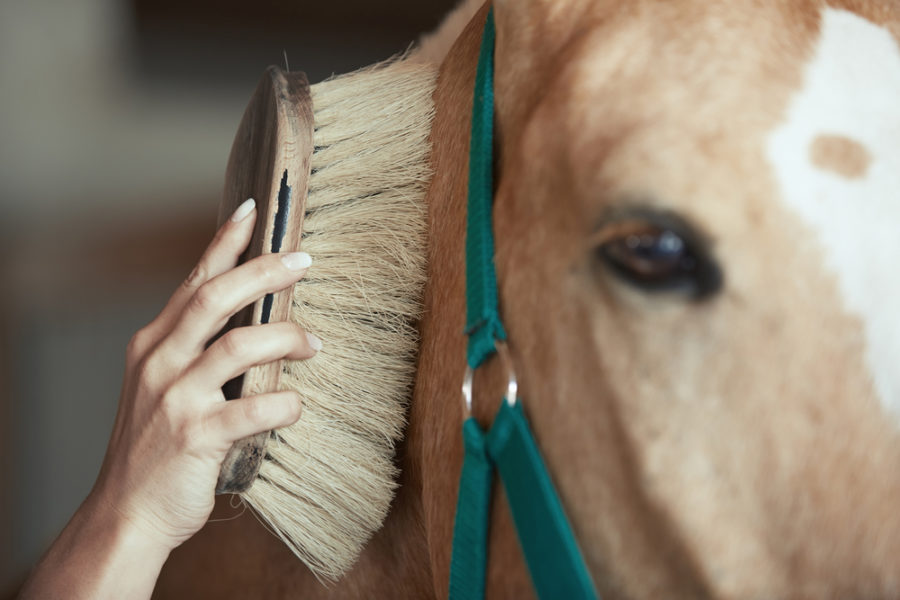
- Grooming: Use grooming time to reinforce standing quietly, picking up feet on request, and accepting touch all over the body. If your horse moves away, calmly reposition and try again.
- Feeding: Ask your horse to wait patiently before receiving food. This can be as simple as requiring a few seconds of calm behavior before you lower the feed bucket.
- Gate Manners: Teach your horse to wait for your cue before going through gates or stall doors, rather than rushing ahead.
- Desensitization: Introduce new objects or sounds during daily care to help your horse become more confident and less reactive.
Essential Skills to Reinforce Every Day
When you make training part of your daily horse care, focus on a few core skills that will benefit your horse in all situations:
- Respect for Personal Space: Teach your horse to keep a safe distance and not crowd you during handling.
- Responsiveness to Pressure: Practice yielding to light halter or hand pressure, both forward and backward.
- Patience: Encourage your horse to stand quietly while tied, during grooming, or while waiting for food.
- Hoof Handling: Make picking up and holding feet a positive, routine experience.
- Calmness with New Experiences: Use daily care opportunities to gently introduce new sights, sounds, and sensations.
These foundational skills make vet visits, farrier appointments, and trailering much less stressful for everyone involved. For more on keeping your horse clean and comfortable, see these equine hygiene best practices.
Building Trust Through Consistency
Trust is at the heart of every successful horse-human partnership. When you consistently apply clear, fair boundaries during daily care, your horse learns what to expect and feels more secure. This doesn’t mean being harsh—gentle, predictable handling is most effective.
For example, if your horse tries to walk off while being groomed, calmly return them to the original spot and resume. Over time, your horse will understand that standing still is expected and rewarded. Consistency in your cues and responses is far more important than intensity.
Common Mistakes to Avoid
While blending training into daily horse care is simple, there are a few pitfalls to watch for:
- Inconsistency: Allowing behaviors one day and correcting them the next confuses your horse. Set clear expectations every time.
- Rushing: Taking shortcuts or skipping steps can reinforce unwanted habits. Take a few extra seconds to reinforce good behavior.
- Ignoring Small Issues: Minor pushiness or impatience can become bigger problems if not addressed during routine care.
- Lack of Positive Reinforcement: Remember to reward your horse with a scratch, kind word, or treat when they respond well.
For additional guidance on keeping your horse safe and healthy, review these horse pasture safety tips to hazard-proof your fields.
Tips for Success with Integrated Training
To make the most of this approach, keep these tips in mind:
- Stay Present: Focus on your horse and the task at hand, even during routine chores.
- Break Tasks into Steps: If your horse struggles with something, break it down and reward small successes.
- Use Clear Cues: Be consistent with your voice, body language, and timing.
- Be Patient: Progress may be gradual, but daily repetition leads to lasting improvement.
- Seek Help When Needed: If you encounter persistent issues, consult a professional trainer or reference reputable resources such as these horse care guidelines for additional support.
Remember, even a few minutes of mindful interaction each day can make a significant difference in your horse’s behavior and your relationship.
Benefits of Making Training Part of Everyday Care
When you consistently blend training with daily routines, you’ll notice several positive outcomes:
- Improved Safety: Horses that respect boundaries and respond to cues are easier and safer to handle.
- Reduced Stress: Familiarity with routine tasks makes new or challenging situations less intimidating for your horse.
- Stronger Bond: Regular, positive interactions deepen trust and communication.
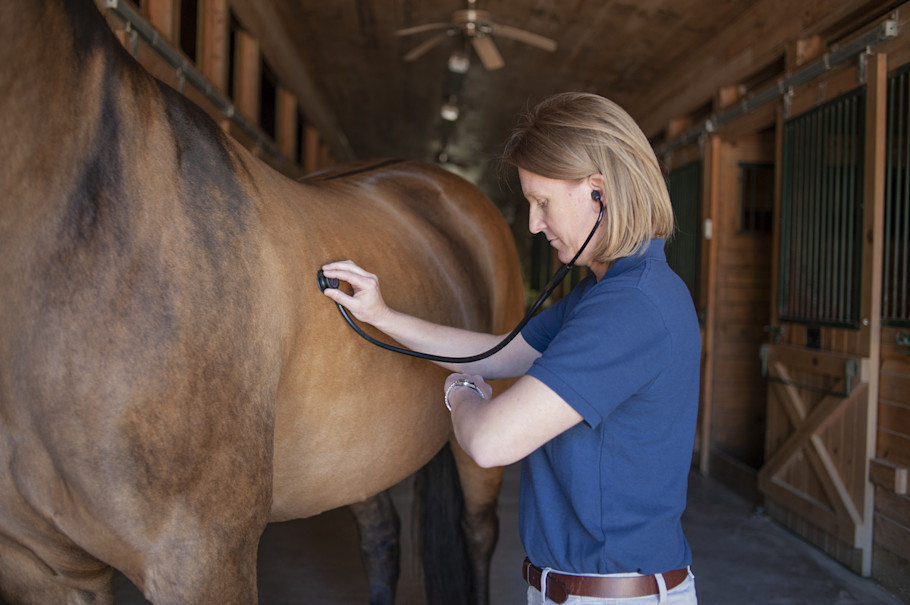
- Better Health Monitoring: Daily handling allows you to spot early signs of illness or discomfort. For more on this, read about spotting early signs of illness in horses.
- Time Efficiency: Training during daily care means you don’t need to carve out extra time for separate sessions.
FAQ
How much time should I spend on training during daily care?
You don’t need to set aside extra hours. Even a few minutes of focused, intentional interaction during grooming, feeding, or leading can reinforce important skills. The key is consistency and using every opportunity to teach and reinforce good behavior.
Can young or inexperienced horses benefit from this approach?
Absolutely. Integrating training into daily routines is especially helpful for young or green horses, as it helps them learn basic skills in a low-pressure environment. Start with simple tasks and gradually build up as your horse gains confidence and understanding.
What if my horse has bad habits already?
It’s never too late to start. Address unwanted behaviors calmly and consistently during daily care. If issues persist, consider seeking help from a professional or using reliable resources to guide your training approach.
Are there any resources for more in-depth horse care and training?
Yes, you can refer to comprehensive horse care guidelines for detailed advice on training, health, and welfare.
By making horse training a natural part of your daily care routine, you’ll create a safer, happier environment for both you and your horse. Consistency, patience, and positive reinforcement are the cornerstones of success, and the benefits will be seen in every aspect of your horse’s life.