
Developing a comprehensive approach to your horse’s health is essential for ensuring a happy, active, and long life. Horse wellness planning involves more than just routine care—it’s about anticipating needs, preventing problems, and adapting to changes as your horse ages. By taking a proactive stance, owners can minimize risks, improve quality of life, and avoid costly emergencies down the line.
Whether you’re new to horse ownership or looking to refine your current care routine, building a structured wellness strategy is the foundation for responsible equine management. Early in your planning, it’s also important to consider the safety and environment of your horse. For practical advice on keeping your fields secure, see these horse pasture safety tips to hazard-proof your fields.
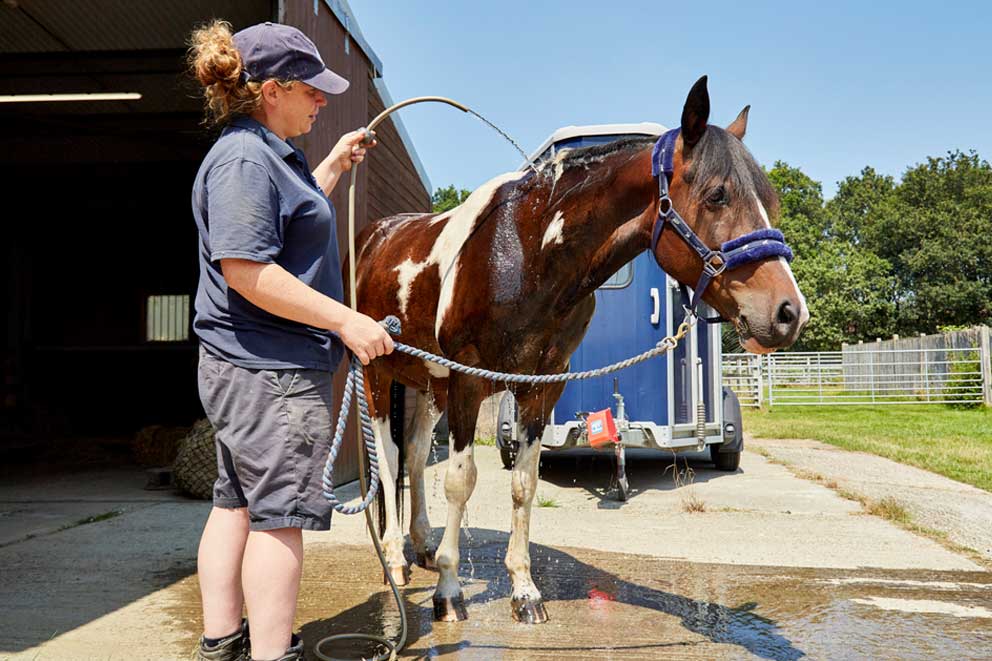
Why a Proactive Horse Care Plan Matters
Taking a long-term view of your horse’s health allows you to spot issues early, tailor care to individual needs, and support well-being at every stage of life. A structured plan helps you:
- Track vaccinations, dental exams, and farrier visits
- Monitor weight, nutrition, and exercise routines
- Identify behavioral or physical changes quickly
- Prepare for seasonal challenges and aging-related needs
By mapping out these elements, you create a roadmap that supports both daily routines and unexpected situations.
Core Elements of Effective Horse Wellness Planning
To build a robust strategy, focus on these essential areas:
1. Nutrition and Feeding Schedules
Consistent, balanced nutrition is the cornerstone of equine health. Work with a veterinarian or equine nutritionist to develop a feeding plan that matches your horse’s age, workload, and metabolism. Regularly review and adjust the diet as seasons and activity levels change. For more on optimizing feeding routines, explore this guide to horse feeding schedules for optimum health.
2. Routine Veterinary and Dental Care
Annual or biannual veterinary checkups are vital for vaccinations, parasite control, and early detection of health issues. Dental exams should be scheduled at least once a year to prevent pain, weight loss, and behavioral issues related to dental discomfort.
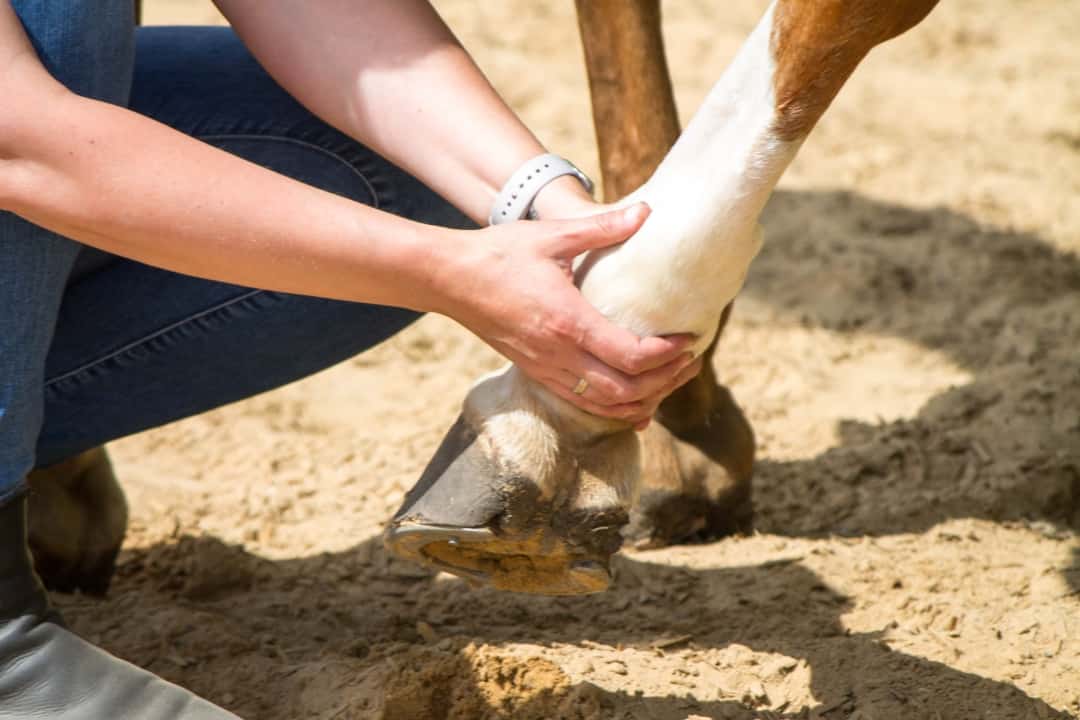
3. Hoof and Limb Maintenance
Regular farrier visits—typically every 6 to 8 weeks—are essential for hoof health and soundness. Keep an eye out for cracks, thrush, or changes in gait, and address any concerns promptly to avoid long-term lameness.
4. Grooming and Skin Care
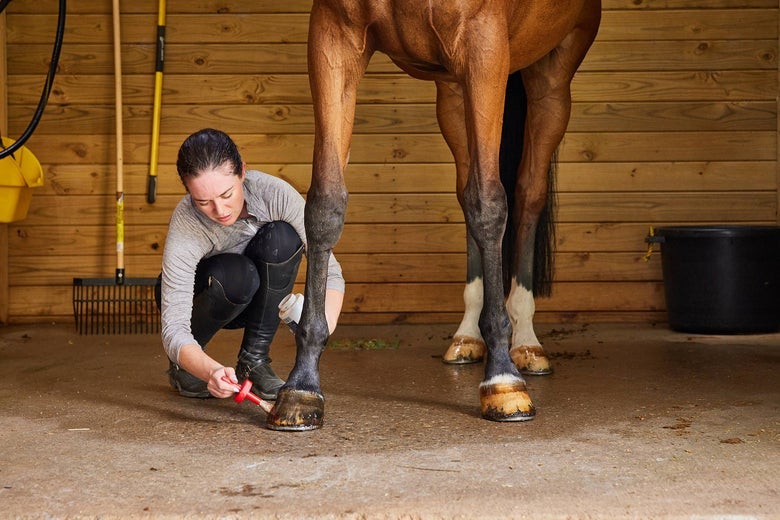
Daily grooming not only keeps your horse clean but also gives you the chance to check for cuts, swelling, or skin conditions. Grooming can improve circulation, strengthen your bond, and help prevent issues like rain rot or fungal infections.
5. Monitoring Behavior and Vital Signs
Observing your horse’s normal patterns is key to catching early signs of illness or discomfort. Sudden changes in appetite, attitude, or movement can be red flags. For more detailed guidance, refer to resources on horse behavior monitoring and horse vital signs monitoring to know what’s normal for your equine companion.
Adapting Your Wellness Plan Over Time
As horses age or their workloads change, their needs evolve. Regularly review your care strategy and update it in consultation with your veterinarian. Consider:
- Adjusting feed for senior horses or those with metabolic conditions
- Increasing dental checks for older equines
- Modifying exercise routines to prevent injury
- Addressing joint health and mobility with supplements or therapies
Documenting changes and keeping detailed records helps ensure continuity of care, especially if multiple people are involved in your horse’s management.
Environmental and Management Considerations
Wellness planning goes beyond the horse itself. The environment plays a crucial role in supporting health and preventing injury. Safe fencing, clean water, shelter, and regular pasture maintenance are all part of a holistic approach. For more on choosing the right management style, see this guide to horse management types for different care and housing options.
Building Your Horse Wellness Calendar
One of the most effective tools for staying organized is a wellness calendar. This should include:
- Vaccination and deworming dates
- Dental and farrier appointments
- Body condition and weight checks
- Seasonal tasks (e.g., blanketing, fly control, pasture rotation)
Digital apps or printed planners can help you track these milestones and set reminders, reducing the risk of missed care.
Common Mistakes to Avoid in Equine Health Planning
- Neglecting to update the plan as your horse ages or changes activity levels
- Overlooking subtle behavioral changes that may signal health problems
- Failing to coordinate care among all handlers and professionals
- Ignoring environmental hazards or seasonal risks
Staying vigilant and flexible is key to a successful long-term care strategy.
Frequently Asked Questions
How often should I review my horse’s wellness plan?
It’s best to review your plan at least annually, or whenever there’s a significant change in your horse’s age, health status, or workload. Regular check-ins with your veterinarian can help ensure your strategy remains effective.
What are the most important elements to include in an equine care plan?
Key elements include nutrition, routine veterinary and dental care, hoof maintenance, grooming, behavior monitoring, and environmental management. Tailor each aspect to your horse’s individual needs for the best results.
How can I tell if my horse’s wellness needs are changing?
Watch for changes in appetite, weight, coat condition, energy levels, and behavior. Regular monitoring and record-keeping make it easier to spot trends and address issues early.
Conclusion
Establishing a thoughtful, adaptable approach to horse wellness planning is one of the most valuable investments you can make in your horse’s future. By focusing on prevention, regular monitoring, and continuous improvement, you’ll help your equine companion thrive for years to come.