
Creating a safe and effective horse turnout routine is essential for promoting your horse’s physical and mental well-being. Horses are naturally active animals that thrive with regular access to fresh air, movement, and social interaction. However, maximizing outdoor time must always be balanced with safety, careful planning, and attention to your horse’s unique needs. This guide covers the fundamentals of establishing a turnout schedule, safety considerations, and practical tips to help your horse enjoy the benefits of time outside while minimizing risks.
For those looking to further enhance their horse’s health and comfort, it’s also valuable to explore horse muscle care tips and horse pasture safety tips as part of a comprehensive management approach.
Why a Consistent Turnout Schedule Matters
Regular turnout is more than just a break from the stable. It supports your horse’s physical health by encouraging movement, which helps maintain muscle tone, joint flexibility, and digestive function. Outdoor time also provides important mental stimulation and socialization opportunities, reducing the risk of stress-related behaviors such as cribbing or weaving.
- Physical benefits: Improved muscle development, joint health, and hoof condition.
- Mental benefits: Reduced boredom, anxiety, and development of natural social skills.
- Digestive health: Increased movement aids gut motility and reduces colic risk.
Key Elements of a Safe Horse Turnout Routine
Designing a safe and effective turnout plan involves several important considerations. Here are the core elements to keep in mind:
Assessing Pasture and Fencing Safety
Before turning your horse out, inspect the pasture for hazards such as toxic plants, sharp objects, holes, or loose fencing. Secure, well-maintained fencing is critical to prevent escapes and injuries. For more detailed advice, refer to horse pasture safety tips.
Group Dynamics and Socialization
Horses are herd animals, but not all individuals get along. Introduce new horses gradually and monitor group interactions to prevent bullying or injuries. If possible, match horses with compatible temperaments and separate aggressive or overly dominant individuals.
Weather and Seasonal Adjustments
Adapt your turnout schedule to the weather and season. In hot climates, provide shade and fresh water, and avoid turnout during peak heat. In winter, ensure access to shelter and monitor for icy or muddy conditions that could cause slips or falls.
Establishing the Ideal Outdoor Schedule
The best turnout duration depends on your horse’s age, health, workload, and your facility’s resources. Some horses benefit from all-day or even 24/7 turnout, while others may require limited outdoor time due to medical or behavioral reasons. Here’s how to determine the right approach:
- Full-day turnout: Ideal for most healthy horses, allowing them to graze, move, and socialize naturally.
- Partial-day turnout: Suitable for horses with special needs, those in heavy work, or during extreme weather.
- Night turnout: Useful in hot climates to avoid midday heat and insects.
Monitor your horse’s condition and behavior to adjust the schedule as needed. Look for signs of stress, weight loss, or injuries, and consult your veterinarian if you notice any concerns.
Daily Turnout Routine: Step-by-Step
Consistency is key when implementing a daily outdoor routine. Here’s a sample process to help you get started:
- Morning health check: Inspect your horse for injuries, lameness, or signs of illness before turnout. For guidance on early detection, see spotting early signs of illness in horses.
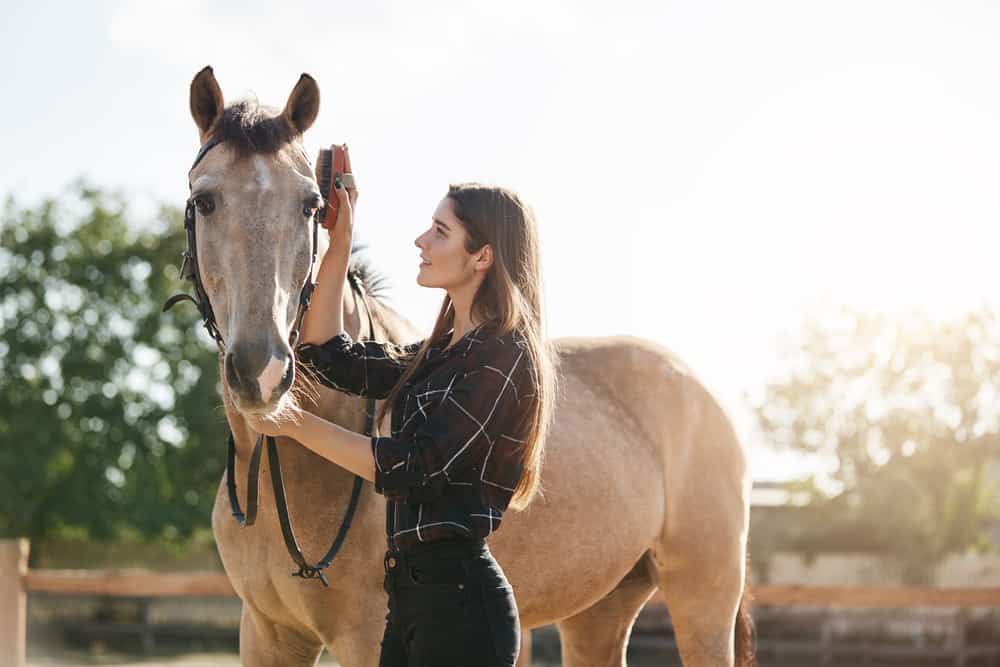
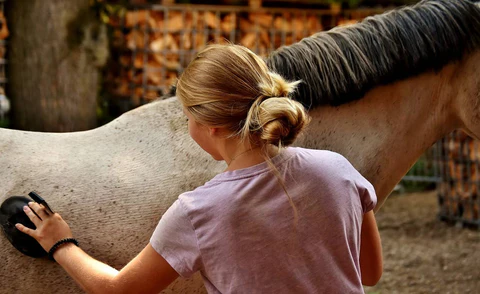
- Grooming: Brush off mud and debris to prevent skin issues and check for cuts or swelling.
- Safe release: Lead your horse calmly to the turnout area and close all gates securely.
- Monitor: Observe your horse for a few minutes to ensure safe integration with the group and check for abnormal behavior.
- Water and shelter: Confirm that clean water and adequate shelter are available at all times.
- Bring in and repeat: At the end of the turnout period, repeat the health check and grooming before returning your horse to the stable.
Additional Safety and Management Tips
- Rotate pastures: Regularly move horses between fields to prevent overgrazing and reduce parasite load.
- Fly control: Use fly masks, sprays, and natural deterrents during bug season to keep horses comfortable.
- Blanketing: In cold or wet weather, consider appropriate blankets for older or clipped horses.
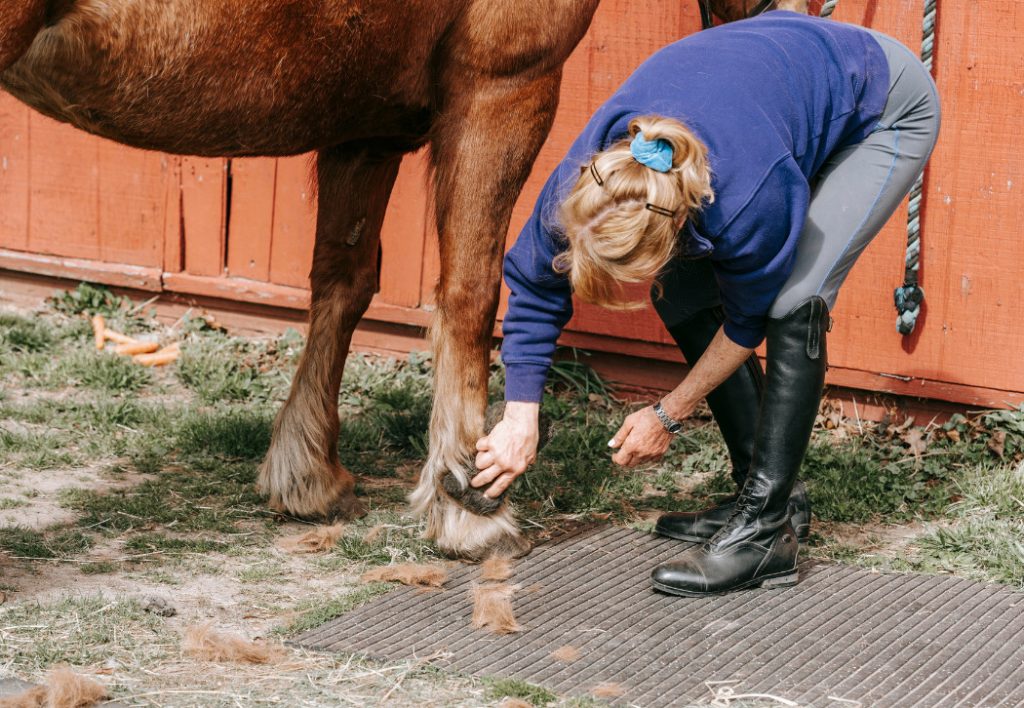
- Hoof care: Check hooves daily for stones, cracks, or signs of thrush, especially in wet conditions.
- Hygiene: Remove manure from turnout areas regularly to maintain cleanliness and reduce parasite risk. For more on this, see equine hygiene best practices.
For a comprehensive overview of daily horse management, the horse day-to-day management guide from Colorado State University offers additional insights.
Common Challenges and Solutions
Even with the best planning, you may encounter challenges when managing outdoor routines. Here are some common issues and how to address them:
- Herd aggression: Separate aggressive horses or introduce new members slowly to minimize conflict.
- Injury risks: Conduct regular pasture inspections and remove hazards promptly.
- Weather extremes: Adjust turnout times and provide shelter or blankets as needed.
- Weight management: Use grazing muzzles or limit turnout for easy keepers prone to obesity.
Frequently Asked Questions
How many hours a day should my horse be turned out?
Most horses benefit from at least 6–8 hours of turnout daily, but some thrive with 24/7 access. The ideal amount depends on your horse’s age, health, and your facility’s resources. Monitor your horse’s condition and adjust as needed.
Is it safe to turn my horse out overnight?
Night turnout can be safe and beneficial, especially in hot climates. Ensure the pasture is secure, free of hazards, and that your horse has access to water and shelter. Regularly check fencing and monitor for wildlife or other risks.
What should I do if my horse gets injured during turnout?
Immediately bring your horse in, assess the injury, and contact your veterinarian if necessary. Clean minor wounds and monitor for swelling or lameness. Adjust your turnout plan to prevent similar incidents in the future.
Conclusion
Establishing a thoughtful horse turnout routine is one of the most effective ways to support your horse’s health, happiness, and natural instincts. By prioritizing safety, adapting to seasonal changes, and paying close attention to your horse’s individual needs, you can maximize the benefits of outdoor time while minimizing risks. Regularly review your management practices and seek guidance from professionals to ensure your horse enjoys a safe and enriching environment every day.